Instagram is no longer about how many people you have following you, it's about the quality of that audience. It's time to stop obsessing over that follower count and start paying attention to Instagram stats that actually tell you how users behave, interact, and ultimately make a purchase.
In the old days, everyone was scrambling to rack up followers like collecting badges, but that whole approach now feels a bit worn out. With so many fake or bot accounts floating around, courtesy of some influencers is a bit of a distraction not a true indicator of anything.
Want to know which Instagram statistics are actually worth your time? Keep on reading.
Is Instagram Really Still Worth It? The Big Picture
Whether or not Instagram is worth it for your brand or as a creator depends on where the growth is happening.
3 Billion Users, But Who's Actually Seeing Your Content?
Instagram's now at an estimated 3 billion monthly active users, which is a pretty huge number. But the thing is, that doesn't necessarily mean all these people are going to be looking at your posts. The average user is part of a global crowd that's got a lot of different regional, age and behavioral quirks, and you're competing with millions of other people for their attention.
What most brands need to focus on is:
Audience segmentation: 40-50% of Instagram users are between 18-34 and still have a strong bias towards visual, lifestyle and creator-driven content.
Format preferences: Reels and Stories are taking up the vast majority of screen time so even if your feed post is great, it might just not be showing up in most Instagram users' feeds.
To put it bluntly: 3 billion Instagram users are just a potential audience out there but your real audience is made up by the people who actually care about what you have to say and are engaged with your niche.
So, your basic coverage potential is going to be a lot smaller.
The Markets Growing, The Markets Slipping
Instagram is still adding new users globally, but the growth is slowing down and it's a totally different picture depending on where you are and what you're doing.
Where Instagram is actually Growing Column | Why it Matters |
Global user base | Instagram hit about 3 billion users by the end of 2025, adding another 90 million new accounts per year. |
Emerging markets | Countries in Southeast Asia, parts of Latin America and Africa are seeing really strong, sustained growth. |
Certain industries | Sectors like finance, education and some B2B niches are seeing positive follower growth, and accelerating follower gains in some years. |
Where Instagram is quietly Losing Ground | Why it Matters |
Mature markets | The US, UK and Western Europe are getting a lot less growth, with follower growth rates for lots of industries actually going backwards. For example, from 0.73% in 2025 to 0.63% in 2026. |
Younger generations | Instagram is losing out relative to TikTok and Snapchat among younger audiences, even though the total number of users is still pretty high. |
Generic content | Accounts that just post the same old stuff and don't really put much effort into engaging with their audience are seeing slower growth and higher unfollow rates. |
So, the platform isn't losing users in the sense that it's shrinking, but in certain key areas and niches, it's getting a lot harder to grow and a lot easier to stall unless you're putting in the effort to make your content stand out and keep your audience engaged.
If you're on Instagram, the question isn't who is on Instagram, but who is actually paying attention and who has already moved on.
The State of Organic Reach Right Now
Organic reach in 2010’s was a lot better, up to 20-30% of followers seeing a post. Now it is in a pretty sorry state. It is much lower and more unpredictable than it used to be. The average organic reach for a brand's posts is now only 4-7.6% of your followers per post. That's a crumby rate of just under 1 in 10 people who follow you even see a post.
These days, the Instagram algorithm is obsessed with how long users watch your content, how many times they save or share it, and whether they even bother to reply. That is why Reels and high-engagement Stories are now constantly popping up in Instagram users’ feeds and the Explore section.
On the other hand, posts that don't prompt any of that, being just a bunch of generic stuff that nobody bothers to interact with, basically getting "pushed to the bottom" of the pile in favour of either just stuff from people you know in real life or posts that you've paid to promote.
Who Actually Is on Instagram (And Who Already Left)
Instagram still has a huge global following, but it's by no means a homogenous crowd.
The Age Data That Should Change Your Targeting
Instagram's core base is still pretty young, and the age split should be the first thing on your creative team's minds when deciding on content style.
Globally, two thirds of the people Instagram has ads to reach are under 34 with 18-24 and 25-34 being the biggest individual demographics.
In the US, 76% of 18-29 year olds and two-thirds of 30-49 year olds are using Instagram. But things start to drop off sharply after 50, and especially after 65.
If you're targeting users over 50 or 65, Instagram can still be a good pick. But it's not your go-to channel. It is more of a supplement to the main show. So if you're trying to reach these older folks, your creatives and messaging need to be way more about the lifestyle stuff and less about chasing the latest trends like you would do if you were trying to reach Gen Z.
The Global Audience Breakdown Brands Overlook
Most brands think that Instagram is US-centric, but in reality the real growth and the real scale is happening internationally and the top markets are changing fast.
India has a staggering 480+ million Instagram users, followed by the US coming in at around 180 million, then Brazil (140-150 million) and a close third Indonesia and Japan.
Outside of the US, about 90% of the ad audience that Instagram has to offer is just not being reached at all, which means if you are only targeting the US users you are missing out on the vast majority of eyeballs on the platform.
But brands that ignore this global split often find themselves taking no notice on some really important stuff like what's cool visually and culturally in each place (like the right colors and aesthetic to use), and what people like to watch and at what time of day.
Why a Smaller Audience Can Be Worth More
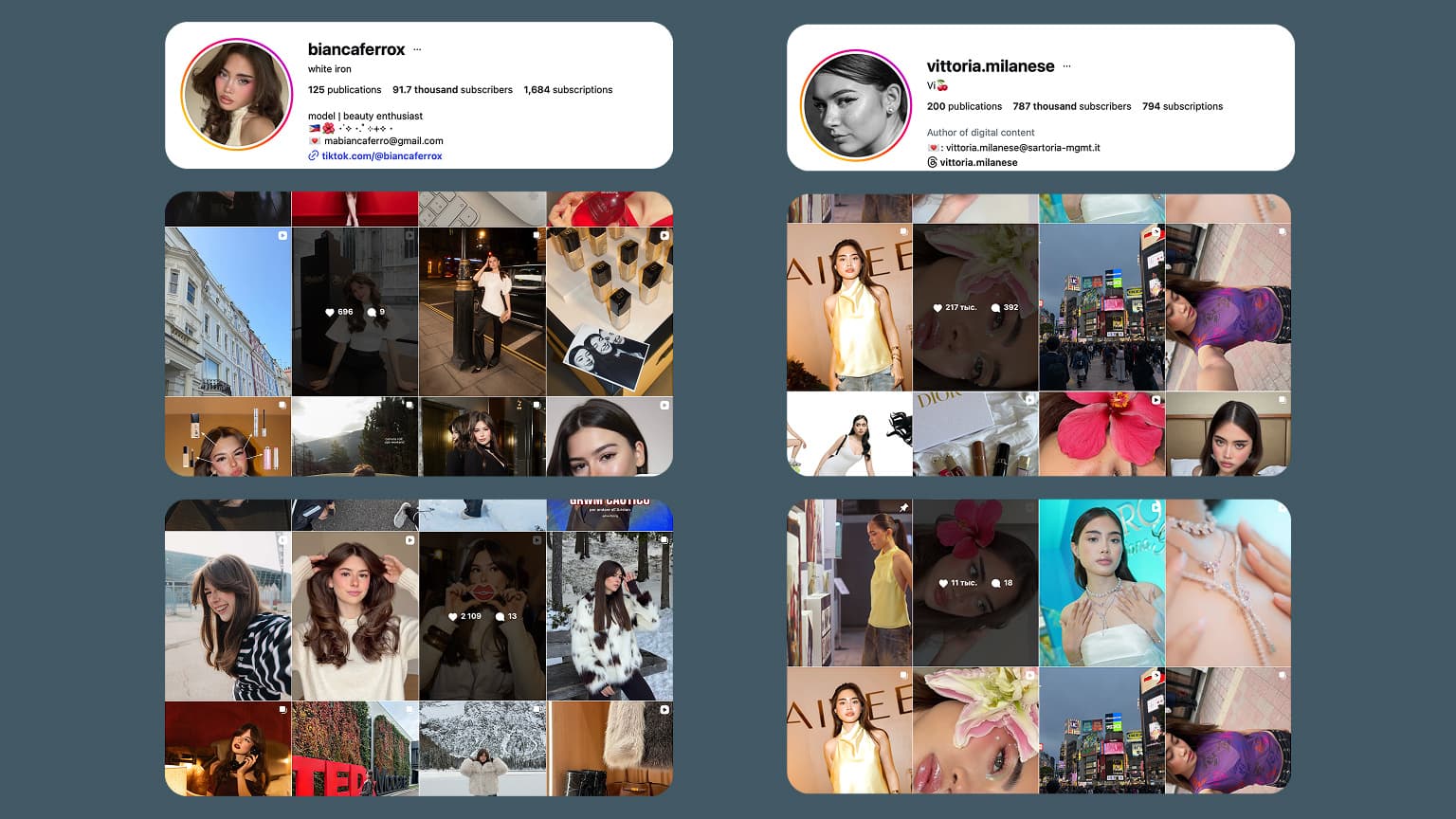
Counter‑intuitively, a smaller, highly engaged Instagram audience can outperform a large, cold follower count in conversion, loyalty, and word‑of‑mouth.
See the proof in the next blog article on micro influencer marketing. Include a link to the blog article micro influencers
Smaller audiences are easier to serve personally: you can reply to comments, DM questions, and tailor content to specific needs, which builds trust far faster than broadcasting to a massive, passive crowd.
From a brand perspective, a tight cluster of 10–50k super‑engaged followers can be more valuable than 300k low‑engagement followers, especially when you factor in community, referrals, and long‑term retention
How People Use the App — Not How Most Brands Assume
Most brands are still stuck in the idea that Instagram is all about posting pretty pictures and running polished campaigns, and then displaying them in a neat little feed, but the truth is people are using it more like an instant entertainment system: they scroll quickly, react with a tap or a message, and rarely take the time to “browse” like they used to. Instagram users aren't digging through every new post, or methodically searching for new things to look at, instead they're mostly searching for posts that match a certain mood, trend or are from a specific creator.
So, the chance of discovery by accident has moved from the feed and hashtags to Reels, Stories and the recommendations.
73 Minutes a Day — Here's How It's Actually Spent
Users on average spend around 30 hours per month on Instagram which works out to around 73 minutes a day, depending on where they are and how old they are.
Some people use it way more than that.
Reels, Feed, Stories: Where Eyes Actually Land
About a half of it is spent watching Reels, which makes it the place where people primarily look for new things to watch and discover. People have started using it like a mini-TikTok feed, just swiping through, passively checking out some clips.
The main feed has become a secondary place where Instagram users spend some time catching up with close friends, creators and brands they like, and they do this with quick reactions like double tapping and saving rather than sitting down to write a whole comment.
Stories are still really popular among Instagram users, with over 500 million people using them every day, mainly to post quick updates and give people something to react to with interactive stickers like polls and quizzes, but the engagement is usually very short lived, people don’t hang around for long.
In simple terms, the way people use Instagram is now Reels → quick look at the feed → Stories/DMs rather than the old way that was feed → Stories → profile.
What Changed in User Behavior After the Last Updates
Ever since the 2025-2026 updates, Instagram users have been acting more like they care about what algorithms want, but also want to stick to the people they actually like. They scroll faster, tap on things to see more, and tend to skip over posts that are just a bunch of text unless something grabs them straight away. Instagram’s new recommendations, its AI labels for content and the way it lets you see what your algorithm is up to has made people more aware of how they’re being shown things. So many of them are now actively choosing to block or skip types of content they don’t like, which makes them even more likely to just react quickly to what they do see.
At the same time, actual engagement like shares, saves and messages is way more important than just likes, which means users tend to interact with a lot fewer posts in a more meaningful way. They save Reels to watch later, reply to prompts, or forward on something they liked to a friend. While they're also still mindlessly swiping through loads of stuff, for brands this means their content has to either grab attention straight away, or be tucked away in the Stories or DMs, the default attention grabber is no longer just a nice photo in the feed.
The Instagram Advertising Data Marketers Need to See
Success isn't just about "how much you're willing to shell out" but more about being super precise with who you're targeting, and making sure you're targeting the right people. So the Instagram users you want to reach should be sorted into a super fine-grained group, and you want to use lookalike profiles and other behavioural data signals. These are way more valuable than just throwing a lot more cash at the problem.
From a numbers point of view, advertisers are getting pushed towards a small group of core Instagram user statistics that actually tell them what's really working, rather than just showing off.
That means stuff like:
Conversion rate (CVR): The share of users who click the ad and actually do what you wanted them to do (like buy something). If your campaign is really working on Instagram, you might see conversion rates in the 2-5% range, and that's if you've got the audiences really sorted and your ad images are super targeted.
Cost per result (CPR): This is how much you have to pay for each little result you get (like someone clicking a link, or watching a video). CPR is interesting because it really shows the differences between ad types. For example, ads that are a bit more interactive (like those Reels things) tend to cost less for engagement and discovery, while ads with products in them (like those shoppable stories) tend to cost less for when people actually buy things.
Cost per acquisition (CPA): This is how much you have to pay for each person who finally buys from you. As of 2026, a reasonable amount to pay for most b2c and d2c brands is usually in the $10-$50 range, depending on the industry, the price of the thing, and how far down the funnel they are. Products that people have to get used to a bit more tend to justify a bit more spend.
Ad frequency: How many times the same person sees your ad and then goes "oh, for goodness' sake". When you get to the point where most Instagram users see the ad more than 3-5 times, engagement and conversion rates usually start to suffer and people get bored with your ad. Keeping ad frequency down and switching up the ad image every 7-14 days is a good way to keep things efficient.
And outside of those major headline numbers, recent Instagram marketing statistics is showing a few fun patterns in ad types:
Reels-style videos do basically the same as top organic Reels. People watch the whole thing, watch it for longer, and share it more often, and all that's because they feel a bit more at home: it's short, vertical, and mobile-first.
Carousel-style product ads (images plus a short bit of video, or product carousels or swipe- based transformation sequences) are way better at getting Instagram users to click and add to their cart and buy things than just using a single static image. And that's because they let users flip through all the different bits without having to leave the app.
Shoppable story ads are good at combining immediacy with zero fuss. They get a good click-through rate and people end up buying things on impulse, especially when there's a limited offer or new product launch.
In short, the numbers are saying: good ad strategy is about taking the ad formats that are already working (Reels, Carousels, and Stories) and then overlaying some super targeted targeting, tracking some actual numbers, and keeping an eye on ad frequency.
That's how you turn Instagram audiences into actual, measurable growth, rather than just a load of clicks.
So What Does This Change for Your Strategy?
Use Reels the majority of the time for top-of-the-funnel reach and discovery. That's where you can reach brand new Instagram users who might be interested in your stuff. It's especially good for introducing new trends, new ideas , and getting your brand out there to people who might not know your name yet. Plus, Reels are all about hook first and tell later: cut to the chase and make it snappy, and then use your top-performing Reels to make into paid ads, the ones that work, that is.
Now when it comes to Carousels, think deeper dive content. If you've got step-by-step guides, product breakdowns or all that checklist-y style storytelling, that's where Carousels come in handy. They're perfect for getting users right down into the nitty gritty of your offer for your mid and bottom-of-funnel needs.
Think of Stories as the place to build relationships with your audience. Test out different messaging to see what sticks, get them to take action with time-sensitive calls-to-action, and use them to send people off to see either your Reels or Carousels via those little swipe-up links or ' See more' ones.
Get your calendar sorted so you've got Reels leading the charge volume-wise, Carousels anchoring your most valuable stuff, and Stories as the daily little nudge to get Instagram users interacting with your brand. That's basically what all the current engagement and ad performance stats are telling us to do.
Final Words
In 2026 Instagram is shifting its focus from reach to relevance. Marketers who succeed will be the ones who are able to nail down engagement with their niche audience, pick the right Instagram format ( probably Reels or Carousels), and actually pay attention to the metrics that really matter. Not some shiny number that looks good for the sake of looking good.
FAQ
Which Instagram Stats Matter Most For Marketers In 2026?
Follower counts just aren't as important as they used to be. What really matters is Instagram usage statistics that show how people are actually interacting with your content. That's behavioural metrics. What you should be focusing on is:
Engagement on your posts (likes, comments, saves, shares),especially for Reels and Stories. Does your content actually get a reaction?
How many people are seeing your posts, broken down by format (Reels vs. feed vs. Stories). Is your content getting out there, or is it just going to a handful of people?
How many people are actually clicking on your ads or following up on your product posts? and how many of them are then actually buying something? That's what click-through rate (CTR), saves and shares are all about.
How many sales you're actually getting from your paid Instagram campaigns, how much it costs to get someone to buy something from you, and how much profit you're making overall. These stats will tell you if your content is actually helping to drive sales, not just making you look good on a dashboard.
Which Audience Insights Should Brands Pay Attention To On Instagram?
Brands would be well advised to keep a close eye on the following:
Age and location Instagram stats. For example most of Instagram's ad reachable audience are under 34 years old, and another key thing is that the biggest growth is happening outside the US - namely in India, Brazil, Indonesia and so forth.
Behavioural patterns. Things like how your audience tends to spend their time on the app (do they tend to head straight to Reels, or do they start with the feed and then head to Stories) and at what time of day they engage. You'll also want to know what kind of content types they are most likely to save or share.
Engagement velocity. How quickly people start interacting with your posts in the first 15-30 minutes. That's a good indicator of how well you're hooking people with your headline and that all important initial few seconds.
These insights really help brands tailor their visuals, their copy and their timing to fit in with real Instagram marketing statistics, not just their own assumptions.
What Metrics Should Brands Track To Measure Instagram Success?
To get a really accurate picture of how well you're doing on Instagram, brands need to keep an eye on:
The basic statistics about Instagram users like reach, impressions, Reel views, Story views, and visits to your profile.
A bit deeper down the funnel are things like saves, shares, link clicks and DMs or contact form submissions.
Conversion rate, cost per acquisition and the revenue or lead volume you're getting from your Instagram campaigns. That's the bottom of the funnel.
Although it can be tempting to get caught up in likes and follower counts, brands should also be keeping an eye on a few other key things:
Follower growth. The good news is that it's not just about how many new followers you get each month, it's also about the engagement and retention trends as well.
Ad frequency and fatigue indicators. If after 3-5 ads your click through rate and engagement is starting to decline, that's a worry sign.
Influencer performance to learn about influencer driven Instagram campaigns results in terms of metrics as reach, engagement and conversions?
To find out exactly how to get a more accurate measure of influencer success beyond just likes and follower counts, check out our full guide on How to measure influencer success.