Instagram audiences are getting tired of mindlessly swiping past another perfectly polished brand ad post from mega influencers’ paid campaign. Such content is something that feels as real as a Reality TV show scripted to perfection. The long held attitude on social media, that bigger reach is all that matters, seems to be a strategy that's well and truly past its use by date. Algorithms are now actively limiting the reach of artificially inflated creators, and expensive ad spend on big-name influencers is getting less and less value for money as a result.
With feeds oversaturated with formulaic, polished posts, authenticity and uniqueness are highly valued these days, which is why micro-influencers are stepping up their game. They are the creators sparking proper brand conversations, driving actual sales and delivering the kind of ad campaign results that really mean something for business. Micro influencers aren't just keeping their heads above water, they're actually rewriting the rule book on influencer marketing for brands.
Read on to find out why a clever brand would now stake their reputation on micro influencers.
What Is a Micro Influencer and Why Brands Care
Micro influencers are creators who've got a dedicated following from 10 K to 100 K people who actually take interest in what they have to say. Unlike some of the bigger players out there, say the super influencers or media personalities, the key thing when thinking about what is a micro influencer turns out to be super engaged audiences.
And on a similar note, nano influencers (that's people with a following of between 0 and 10,000) are a whole different ball game. Such creators are even more laser-focused on getting a specific message out to a smaller group of people.
Brands are drawn to micro influencer marketing because:
Micro influencers have real audiences, not some phony-baloney inflated numbers from bots or people who've bought their way to a certain amount of followers.
There's a real bond there. People have been following micro influencers for years, so they know them, like them, and trust them.
The trust factor is huge. In fact, micro influencers often have more trust from their fans than some of the super influencers out there with millions of followers, which means they get better conversion rates.
It is pretty clear that brands are going to start shifting more of their time and money towards these micro influencer campaigns, because they just deliver better results.
Why Micro Influencers Work in Modern Marketing
Mega influencers can offer impressive reach metrics while doing an ad campaign, but the results are all too often mediocre. That's where micro influencer marketing strategy comes in. Their targeted approach is the game-changer brands have been searching for.
Engagement That Cuts Through Noise
With crowded feeds and increasingly picky algorithms making, micro influencers have managed to turn this on its head. A study of over 500 campaigns showed that micro influencers’ efforts were a whopping six times more effective than those of macro influencers, with engagement rates a full 60% higher (7% compared to 3%).
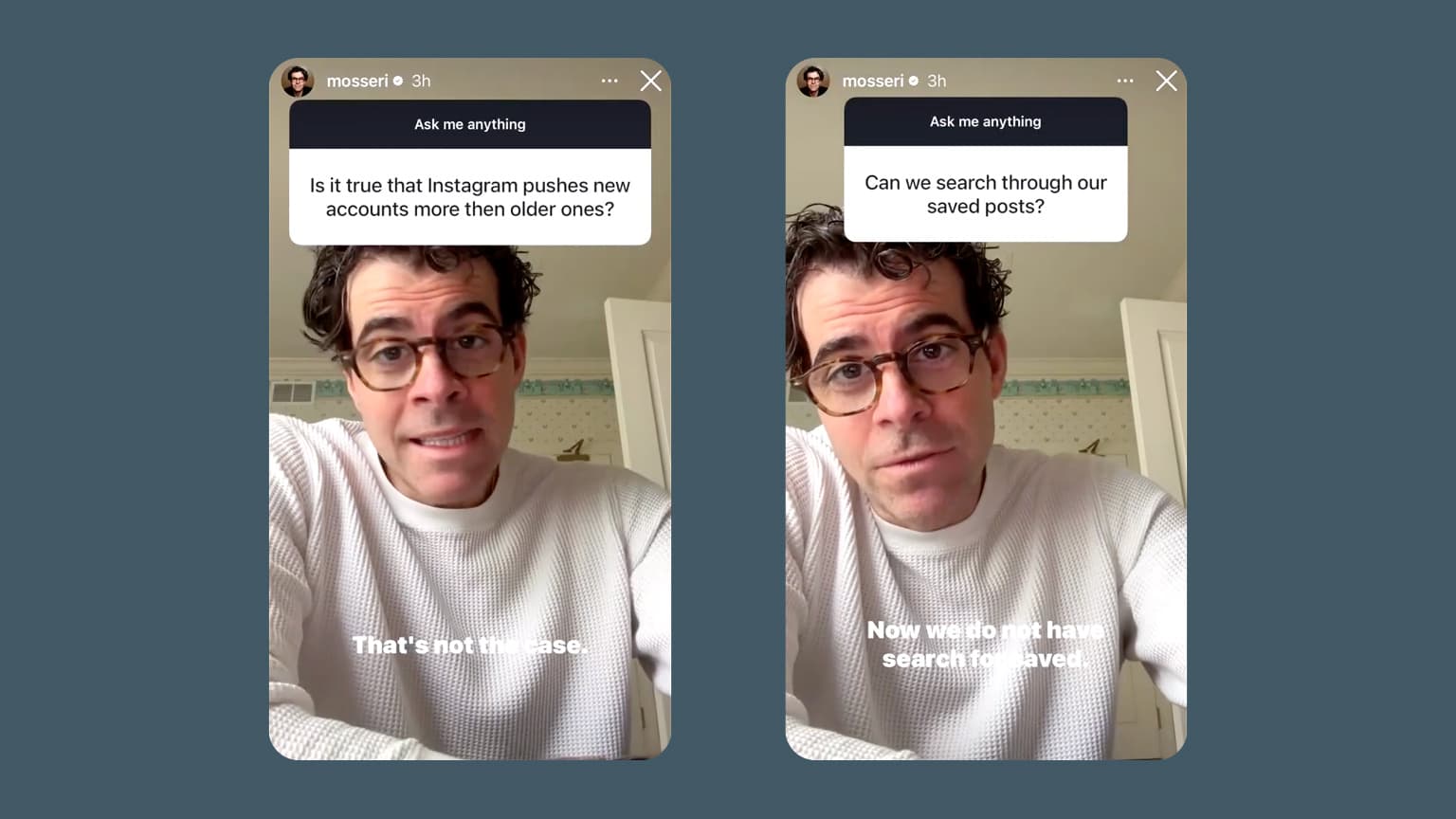
What drives this micro influencers’ power? Genuine fans who truly care about the content of the creators they are subscribed to. These fans engage deeply. They like, comment, save, share, and Instagram gives these posts the boost they deserve, prioritizing interaction over numbers.
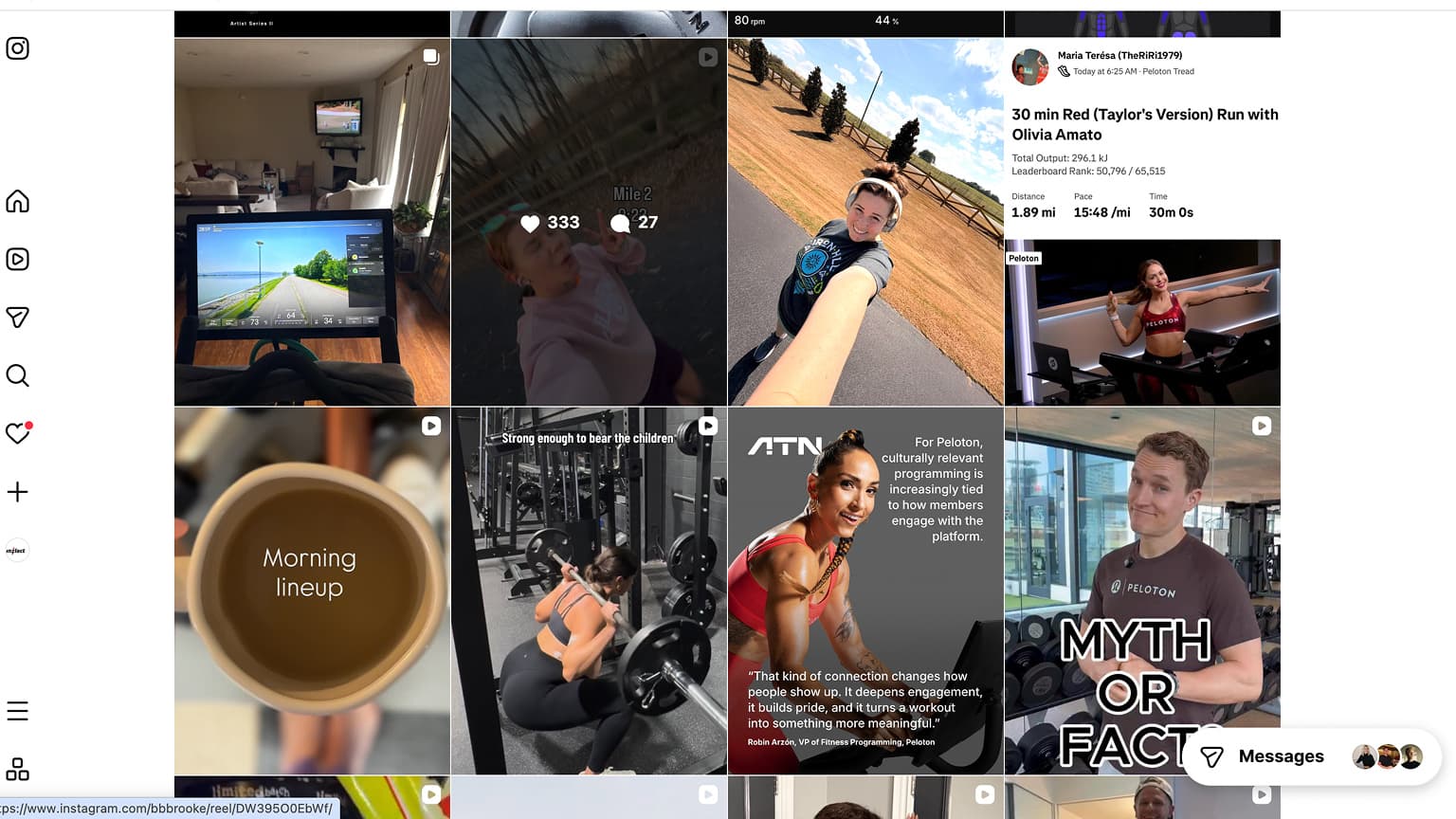
We see this in action with Peloton's home-workout Reels that used micro influencers, realizing 3.5 times more clicks than their big-name counterparts. It's a simple formula for sustained visibility.
Building Trust Through Real Connections
This kind of engagement naturally builds trust, and that's where micro influencers really shine. Followers see micro influencers as relatable experts, not distant celebrities. They get a personal touch in the form of replies to almost every comment or DM. It is something that's completely out of the question for a million-follower account.
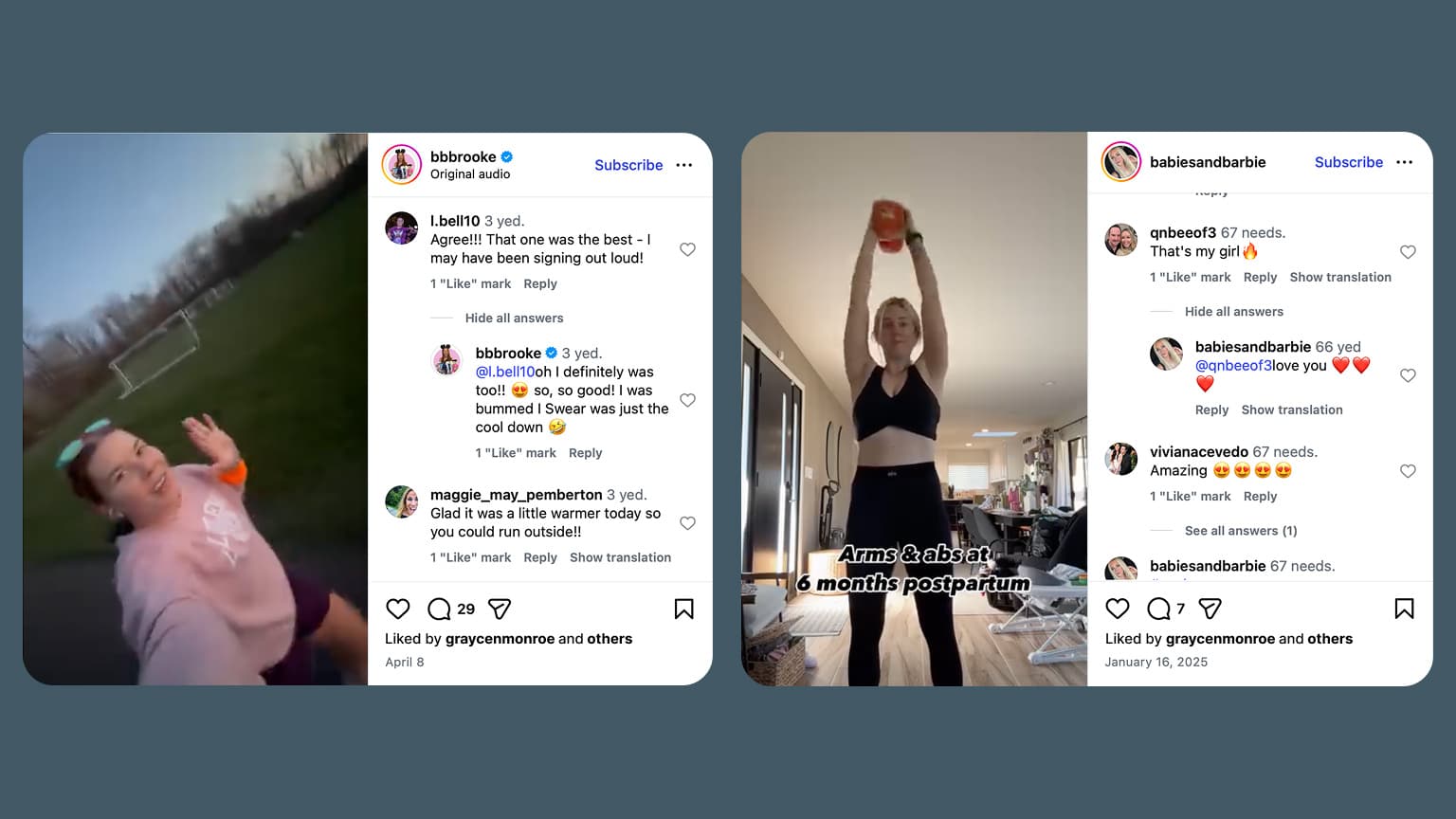
When advice feels like a friend's recommendation from micro influencers, people are much more likely to make a purchase. And that translates into real business results: 22% higher conversion rates from micro-partnerships.
A Cost-Effective Way to Get Results
A single post from a big influencer can only deliver one execution and is inflexible to boot. The same budget will get you 20-30 collaborations with micro influencers. That means you can do A/B testing, trying out different emotional versus value-focused content. And when you find what works for the ad campaign, you can scale it up, refining the rest.
Micro influencers are focused on growth, and they create native formats like Reels and carousels that really resonate with their audiences. This makes it easier on the wallet, as big ads can sometimes get skipped.
74% of marketers plan to up their micro influencers’ budgets. Repurposing micro-content is also a big winner, 77% of brands do it and it extends ROI big time.
Niche Precision for a Real Impact
The bigger influencers can end up losing credibility if the products they're promoting don't quite fit the bill. That is when micro influencers start to really shine in niche targeting. Take Glossier brand for instance, they figured it out with 15 micro influencers and a vegan lip launch on TikTok , Instagram and YouTube, all focusing on eco-friendly tutorials. This netted 2.5 million impressions, 8% engagement, and a 15% brand sales increase. Even got some valuable feedback on packaging and fit from comments. This is all because the brand was targeting different niches.
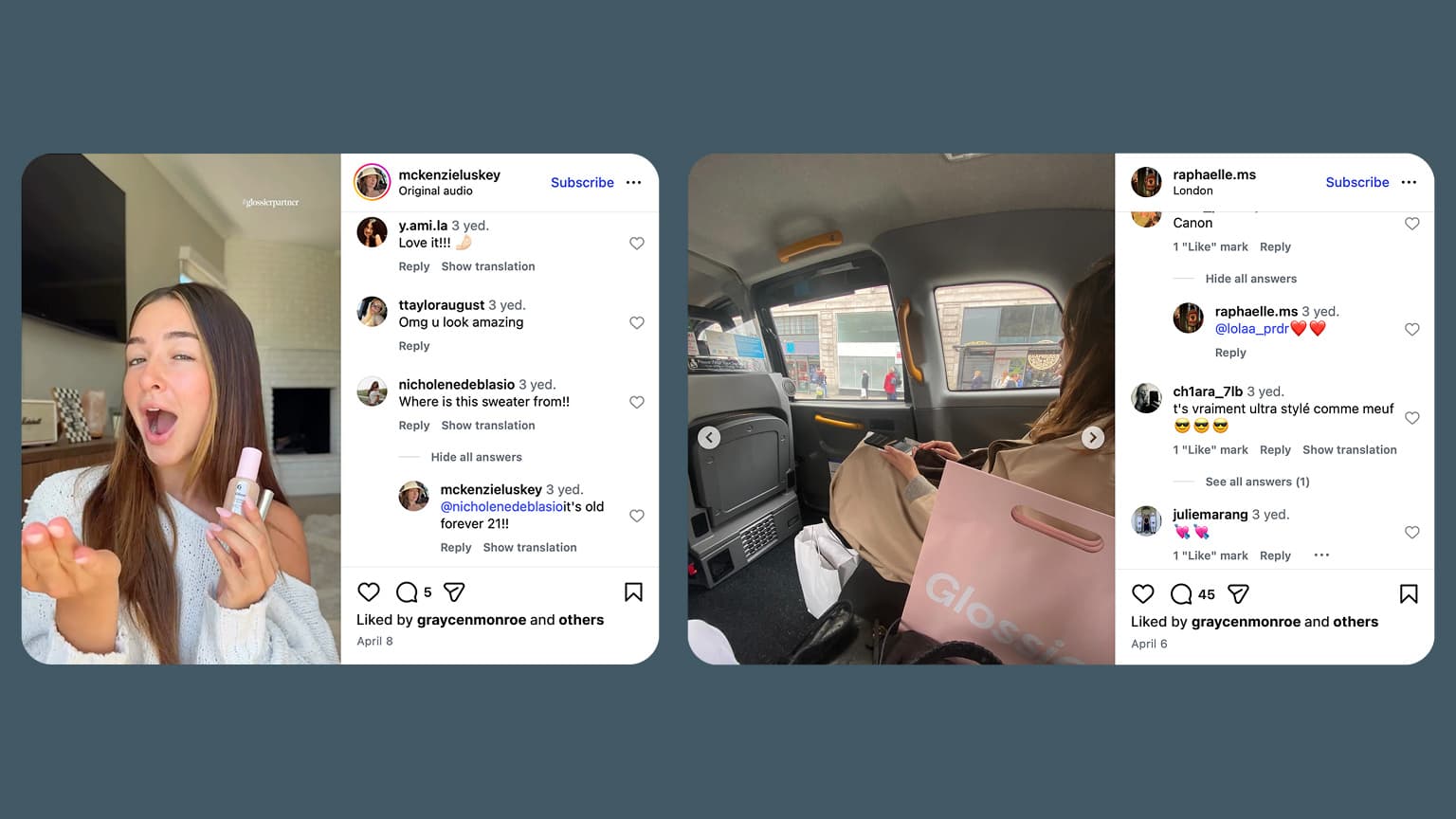
Those micro influencers are raking in 7% engagement rates easily outdoing the under 3% you'll often see with the bigger names. Brands get way more than just a sales boost, they're getting valuable insights.
Minimal Risk, Maximum Control
Niche alignment is actually a safety net that big influencers can't offer. High-profile influencers are constantly at risk of getting dragged into a scandal. Micro influencers, on the other hand, stay under the radar. Brands can start with just five creators and then scale to dozens based on results. You keep full control over scripts and formats. And audiences trust micro-recommendations 82% of the time.
This builds natural retainers. So business and brands can test the waters with minimal reputational risk.
Micro Influencer Marketing Strategy: A Step-by-Step Framework
Alright, now that you've got a handle on why micro influencers are so valuable for your brand. Let’s figure out who are the right ones for you. Choosing the right micro influencers for your brand isn't something to rush through.
1. Define goals and KPIs
To build a micro influencer strategy that actually gets the job done, you need to have a solid idea of what you're aiming for. First things first, write down exactly what your main goals are. Are you trying to get your brand name out there and reach a wider audience, get more eyeballs on your Instagram profile or website, drive some real brand sales with links and promo codes you can actually track, or build a long-term community around your brand? Whatever it is, make sure you're baselining it with some realistic numbers that actually make sense.
For example, maybe you're hoping to get a certain level of engagement from your micro influencers, say 4-8%, or keep cost per acquisition under $20 and get at least a 3:1 return on investment. And don't forget to track things like how many people are actually watching micro influencers’ Stories or saving Reels, checking out micro influencers’ profile, and clicking on IG links.
Get all of this down on one page, including what counts as success, when you're looking to see results, and who's responsible for what, then share it with your team and the micro influencers you're working with. That way, everyone knows where they're headed and you can all work together to make sure you get there.
2. Find and vet influencers
Time to find influencers. Tools like Keppio come in handy when it comes to digging into who micro influencers’ audience is and how they interact with their posts. Look for people with under 100k followers who are managing to get 3-5% of their audience to engage, that's a much better return than the big accounts can usually manage.
But be careful not to get caught up in the numbers game. Follower counts don't tell the whole story about the selected micro influencers, so search a bit deeper. Use audits to spot fake follower numbers, you can check it in our service as well.
Have a look at their past ad campaign experiences to see if it's a style you can work with and scan for any mentioned products in a natural way. Double-check that their audience is made up of people who sound like your customers.
3. Outreach and collaboration
When you reach out to micro influencers, try to make it feel like you're actually talking to a person. So mention a post you liked, to show you've been paying attention. You're on the hunt for creators who are a good fit for your brand and who actually get a response from their followers.
To make it happen:
Work on content where they show people how they actually use your product.
Give exclusive promo codes or offers that you can track.
Try to plan some regular partnership rather than a one-off.
Keep in touch regularly so you can adjust as you go.
That way, their promotions will come across as genuinely enthusiastic.
4. Launch and Manage Content
Coordinate the timing of your posts with their peak hours from Insights like when their audiences are scrolling around in the evenings. Hand over some basic guidelines, photos and calls-to-action, but let creators add their own personal touch.
Keep an eye on things: Share the best bits on your brand page, run some small boosts if it takes off, and jump in on comments. Use a shared spreadsheet to keep track of views, saves and feedback. This way you'll be ready to shift gears if something new comes along on Reels.
After you go live, keep a close eye on the numbers. Engagement rates of 5-8%, sales from clicks, and return on investment etc. Use UTMs to tag your links and see exactly which promotions are driving results.
Look at how long customers stick around after being introduced to your brand product, who they are and what they say. Focus on what's performing well and try some tweaks, and don't be afraid to cut your losses.
Over time, this will all help you refine your spending and build even better campaigns.
How to Find Micro Influencers That Actually Fit Your Niche
Partnering with creators whose followers can't get enough of their posts is what any business dreams of. That's the kind of leverage that comes with how to find micro influencers skill.
Here's your to-do list to track down these perfect partners without getting stuck on influencers who just aren't a match:
Engagement Rate: Your goal should be for 3-5%, or higher, because at the end of the day, you want real people actually talking about your brand.
Comments and Reactions: Look for the kind of genuine buzz that tells you people are really interested, not just a copy-pasted comment or a bunch of spam.
Content Focus: Their area of expertise (whether it's fitness, beauty, or tech) should be something that really speaks to your ideal customers.
Performance Stats: Give their reach, average post views, and geographic overlap with your own market a close look.
Content Quality: Look for stuff that's visually stunning, has a consistent look and feel, and speaks to your brand's personality.
Keppio makes it all pretty easy. Just sort through micro influencers based on things like the topics they cover, who they're trying to reach, how many followers influencers have, how far their posts actually get, their engagement rate, etc. and you'll have a shortlist of perfect influencers for your brand in no time.
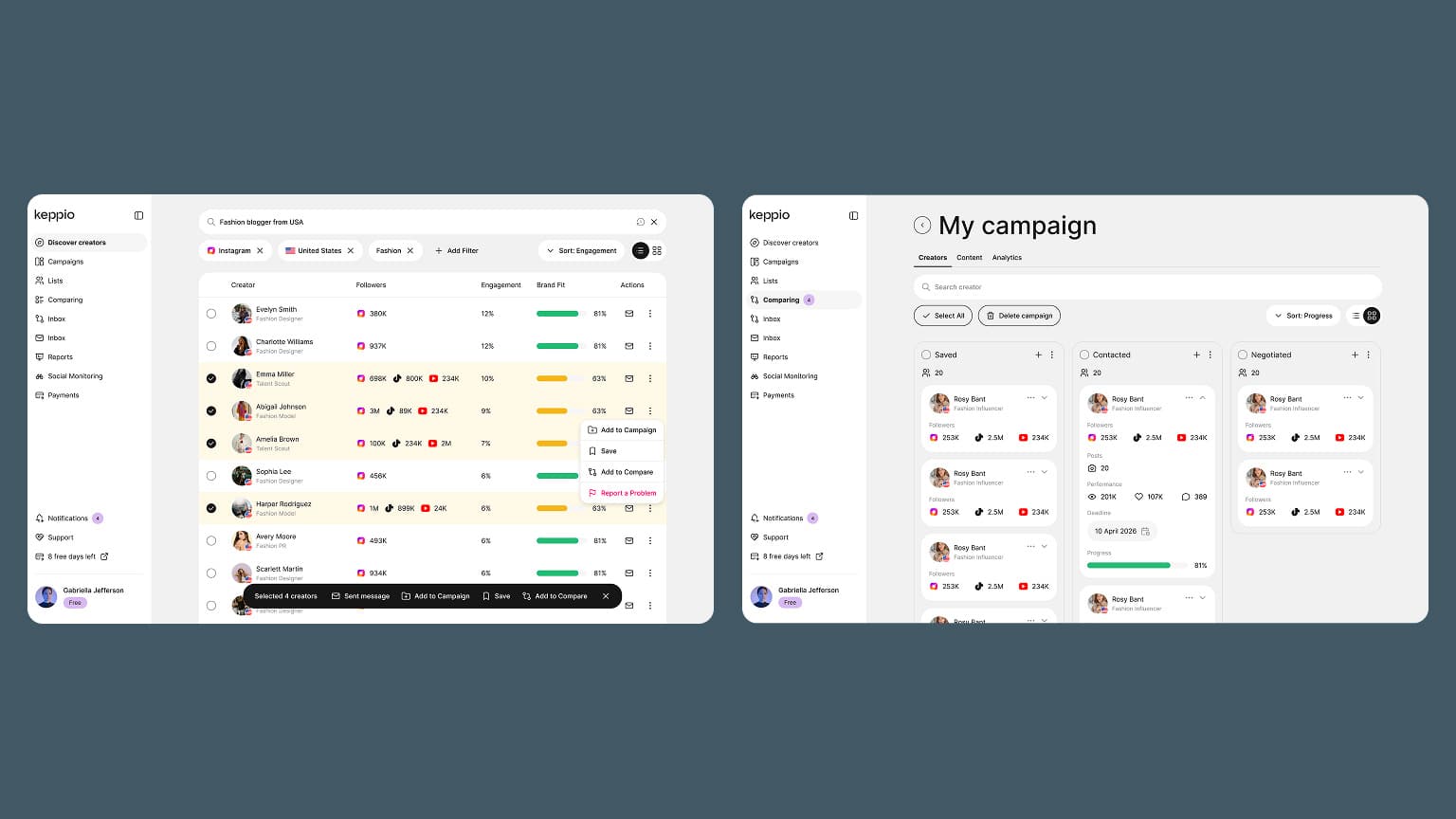
Micro Influencer Pricing: Rates, Structures, and ROI Analysis
The right pricing strategy lets brands tap into micro influencers' awesome engagement at a fraction of what they'd pay for that from a big-time macro influencer.
Micro Influencer Rates in 2026
An Instagram post or Reel can go for $50-$250 with a following of under 100,000 people. Ephemeral Stories are a bit of a steal at $25-$100, while retainer deals average $200-$500 a month. Premium prices apply in crowded sectors like fashion, but you can still find some bargains in technical niches.
The key factors at play here are relevance to the audiences, engagement rates of 3-5%,and a history of working together.
More detailed benchmarks can be found in How much do influencers make per post.
Pick the model that best fits your campaign goals to decide on how to work with micro-influencers:
Fixed Fee: A flat payment that'll be the same no matter what (e.g. $100 per asset), that's great for awareness initiatives.
Performance Incentives: Commissions (10-20% of sales that are actually attributed to the influencer) or bonuses tied to metrics. It is the way to go if you're looking to drive conversions.
Hybrid Approach: A guaranteed base (e.g. $75) plus some variable rewards to get the best of both worlds.
More negotiation advice can be found in How to negotiate with influencers.
Tracking Metrics and ROI for Micro Influencer Campaigns
To get a good handle on what's working and what's not, you need to keep an eye on these indicators:
Engagement: Things like views, likes and shares (aim for 4-7%)
Conversions: Link traffic, redemption rates, and revenue generated via UTM parameters (i.e. how many people are actually converting)
ROI: (Revenue Generated−Campaign Cost)/Campaign Cost ×100 (ideally that number should be 300-500%)
You can get a full picture of what's going on by integrating Instagram Analytics with third-party tools, and be sure to track customer lifetime value.
Full methodology in How to measure influencer success.
Micro Influencer Marketing Examples That Actually Worked
Here's the real deal examples of micro influencer marketing that actually produced results.
Gymshark's 66 Day Fitness Challenge
Gymshark decided to run a 66 day fitness challenge, a length of time that's just about the right amount of time for people to form a new habit. They partnered up with a bunch of fitness micro influencers with around 5,000 to 75,000 followers and asked them to document their workout routines on Reels and in Instagram Stories. These guys showed all the bits their followers can relate to: sweat, missed gym days, tiny progress and the odd cool transformation too. Before long, their regular fans were getting in on the action too and even creating their own Gymshark content.
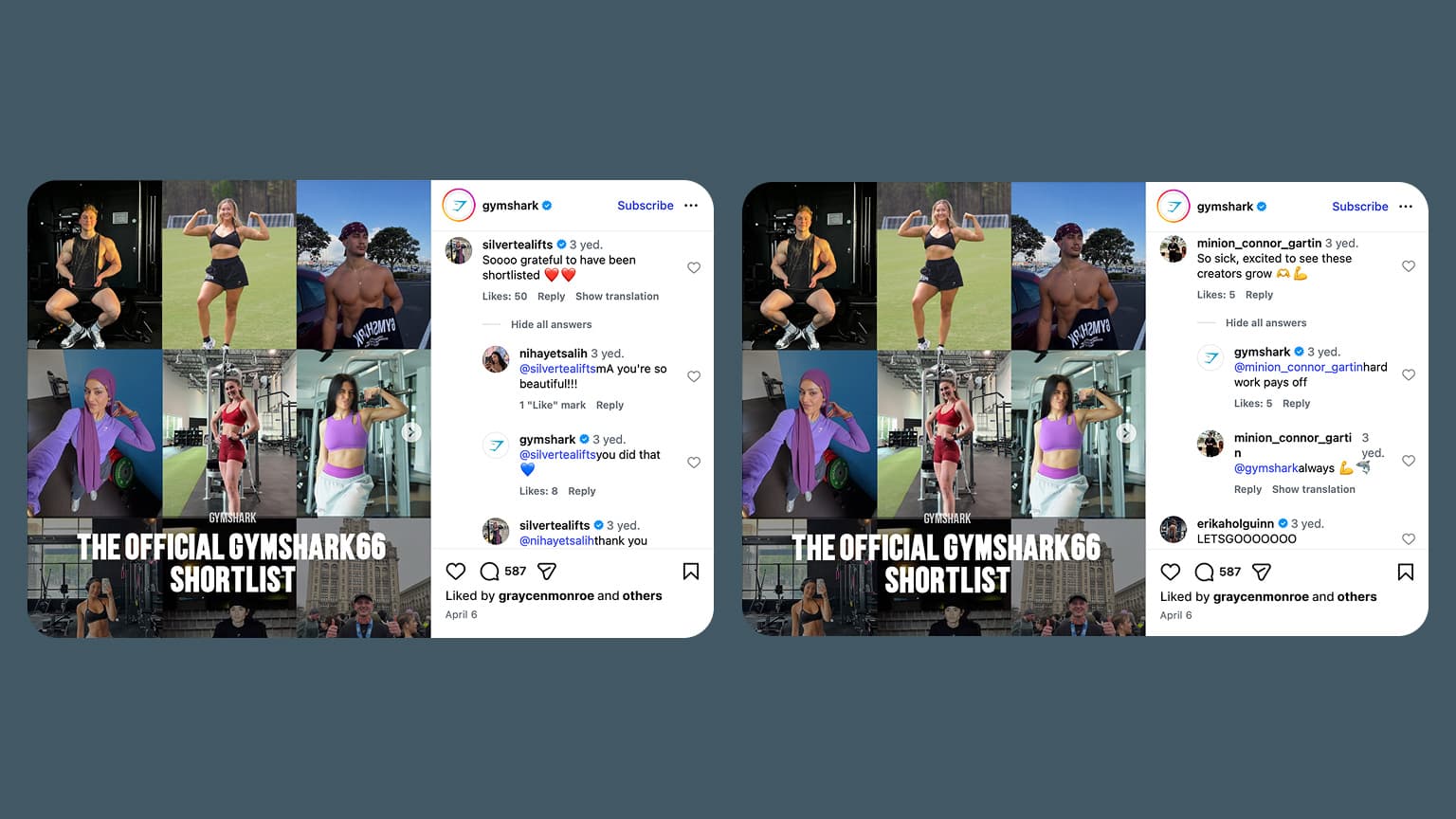
The numbers are pretty astonishing: 193 million people ended up watching the vids, 1.9 million gave them a like and they got over a million posts created by their customers.
Daniel Wellington’s Watch Giveaways
Daniel Wellington sent a load of their minimalist watches off to loads of fashion and lifestyle micro influencers. Each of the influencers got a special discount code and then they were free to style the watch however they liked in their daily lives. Now here's the thing, Daniel Wellington didn't ask the influencers to try to sell the watches to anyone, they just wanted to see how the watches looked in everyday life. So we got all sorts of posts: watches on coffee runs, on the beach, at the office and even on the road.
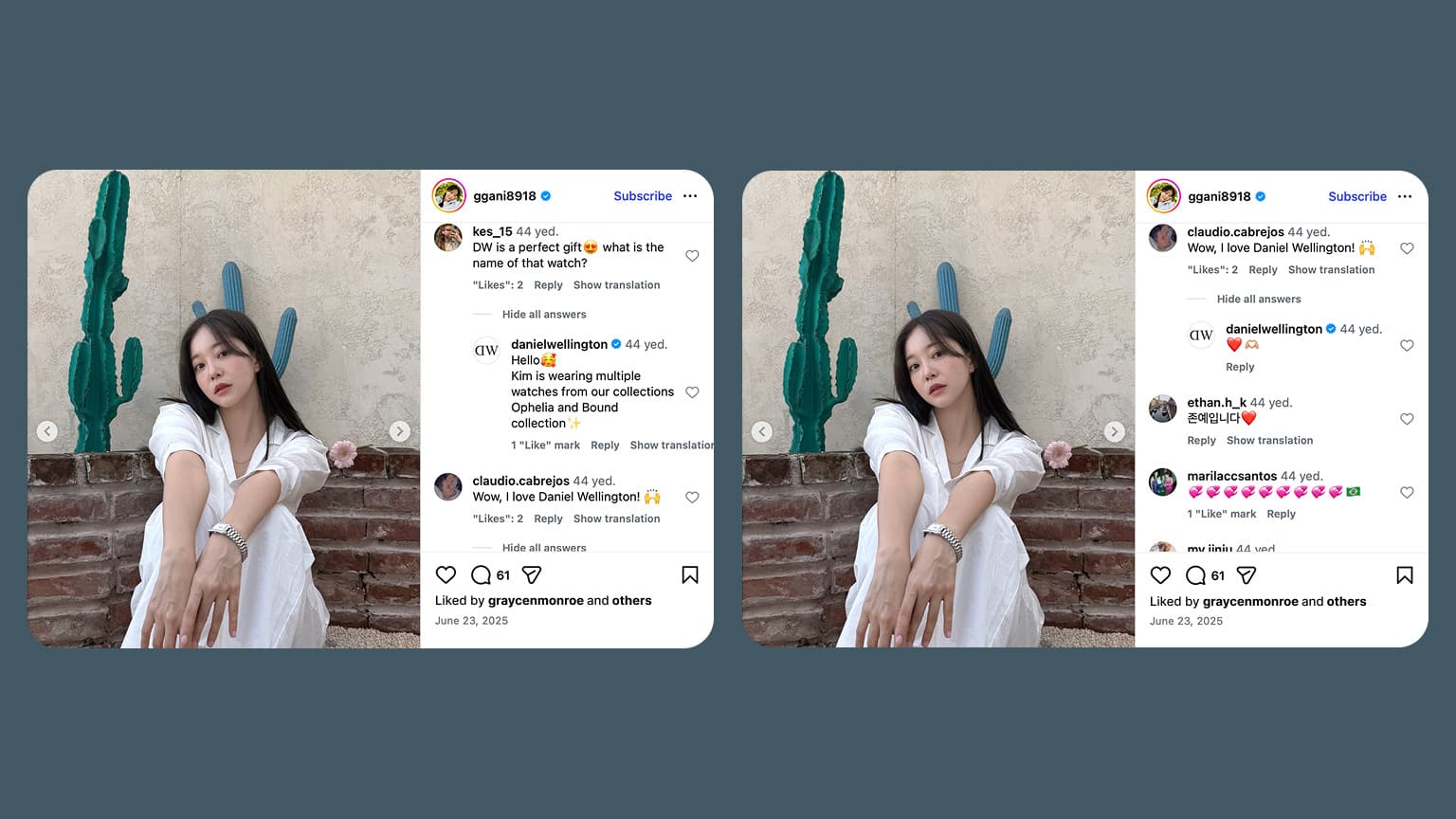
The numbers are mind-blowing: they made $220 million from a mere $15,000 marketing spend. And their hashtag on Instagram got a whopping 2.4 million posts.
Tinder's Attempt to Reach Gen Z with Tinder House
Tinder were doing alright in terms of downloads but they weren't getting Gen Z to actually like the brand, so they came up with a pretty wacky idea called "Tinder House". It was a YouTube thing, where three mates, all of whom had a pretty small but engaged following, went on some quite ridiculous dating experiments using the app. They'd share all their unfiltered thoughts on TikTok and in Instagram Stories like swipe fails, awkward first dates and all that.
The numbers are pretty impressive: they managed to get 3.27 million people to watch the show - more than 10 times what they were hoping for. 80% of the students they surveyed even remembered the brand, and 28% said they thought Tinder was actually cooler than they used to think it was.
These examples really show that micro influencers can deliver some great results, but only if you let micro influencers be themselves and focus on building a real community, rather than just trying to flog your products.
Bottom Line
Micro influencers come out on top when social media ads fall flat. The thing is real people with genuine followings create genuine connections. Micro influencers somehow bridge the gap between brands and buyers without breaking the bank, put up content quicker than light speed, and give you unvarnished feedback that helps you make smarter decisions. With ad costs going through the roof, micro influencers are the key to getting marketing from being all flash and no substance to reliable, repeatable growth.
FAQ
How Do You Keep Micro Influencer Campaigns Authentic?
It all starts with a bit of structured collaboration. Brands should give clear instructions but leave room for the creators to put their own spin on things. For micro influencers who genuinely see content as a labour of love, don't try to script everything out for them, just offer some supportive guidance.
Your Brief Should Cover These Basics:
Tell micro influencers a bit about your brand (what it's about, what makes you tick)
Work out how they can focus on your key products/services, or which team members will be featuring
What do you want to see from the content? ( what should be the highlights of the shoot)
Get the basics right (angles, format, and a few useful hashtags)
All this helps keep things running smoothly while still giving the creators room to express themselves. In the end, micro influencers drive results because they have real people on their side, not because they're just trying to flog a bunch of stuff.
What Are the Top Challenges When Working With Micro Influencers?
Micro influencer marketing has its strengths when it comes to engagement, but it's a game that comes with its own set of headaches that need careful management if you're going to do it right.
Finding People You Can Actually Trust: The whole "bot followers" thing is a major issue. You need a way to separate the wheat from the chaff. Micro influencer programs like Keppio does that by flagging up accounts with less than 5% genuine engagement (and consistency is just as important).
Handling a Big Team of Influencers: Coordinating 20-50 different micro influencers across multiple projects and timelines can be a nightmare for any brand, especially if they've all got their own style going on. Centralising everything in a dashboard like Google Sheets (or even a dedicated influencer platform) can really help streamline the process with briefings, approvals, reporting and keep the workflow smooth.
Working Out Your Return On Investment: To get a handle on things you need to use promo codes and UTM links in conjunction with Instagram Insights data. The goal is to aim for a return of at least 3:1, by combining all the conversion metrics with reach and savings.
Which Niches Benefit Most From Micro Influencer Marketing?
The thing is, micro influencers tend to excel in niche markets and geographically targeted campaigns where you're getting a super-precise target audience, even if mass reach isn't the top priority.
Some places where they really shine include:
Specialty Retail and Services: boutique fitness studios, that one artisanal restaurant down the road, or a local professional services like a family dentist or lawyer, etc.
Niche Consumer Products: sustainable fashion, meat-free food products, pet wellness, craft beers etc.
Event and Experience Marketing: the local launches or pop-up brand events that bring the community together.