Got your heart set on getting paid to share your favorite products on Instagram or TikTok? The idea of how to become a brand ambassador might just be your ticket. These pros partner with companies to genuinely showcase brands and often turn their passion into profit.
What Is a Brand Ambassador?
A brand ambassador is someone who represents a company or product to their audience, building real enthusiasm and trust. Unlike one-off sponsored posts, brand ambassadors are in it for the long haul, crafting consistent content like Reels, Stories or reviews that genuinely reflect the brand's values. And as a result, a brand ambassador gets some pretty sweet perks: free products, commissions, exclusive events or even a salary. It makes it a great option for social media enthusiasts looking to cash in on their influence.
Brand Ambassador vs Influencer: Key Differences Explained
Aspect | Brand Ambassador | Influencer |
Relationship | Long-term partnership (months/years) | Short-term, project-based collaborations |
Compensation | Steady perks, commissions, retainers | One-time fees per post |
Content Control | High alignment with brand guidelines | More creative freedom |
Audience Fit | Niche, loyal followers match brand | Broad reach, often paid by follower count |
Commitment | Ongoing promotion across platforms | Single campaigns or posts |
At first glance it is easy to think brand ambassadors and influencers are pretty much interchangeable as both of them churn out sponsored posts on Instagram. But scratch beneath the surface and you'll find some key differences which can have a real impact on your career, your bank balance, and the kind of pressure you're under.
Understanding these differences will give you much more control when it comes to deciding how do you become a brand ambassador:
Aspect | Brand Ambassador | Influencer |
Relationship Length | Long-term contracts (6–24 months),ongoing collaboration like a brand extension | Short-term (1–3 months max), project-based, often one-and-done campaigns |
Compensation Model | Retainers ($500–$5K/month for micros), commissions (10–30%), products, equity | Flat fees ($50–$10K/post), bonuses; scaled by reach (e.g., $0.01–$0.10/follower) |
Content Ownership | Shared, co-developed with brand guidelines, but you retain creative input | Yours, full control, as long as #ad disclosures are met |
Audience Requirements | Niche, highly engaged (e.g., 5K vegan followers with 10% ER) | Broad reach prioritized (e.g., 50K+ for mid-tier deals) |
Commitment Level | Multi-format, multi-platform (Reels, Stories, Lives, email newsletters) | Typically 1–3 posts on one platform |
Risk & Stability | Lower churn, predictable income, brand loyalty builds resume | High competition, feast-or-famine, viral hits unpredictable |
Types Of Brand Ambassadors: Find Your Fit
Think of brand ambassadorship as being a personal choice of your own adventure, where the path you take depends on your vibe and the crowd you're hanging with
Celebrity Ambassadors: High-profile figures with massive reach, ideal for broad awareness but costly.
Influencer Ambassadors: Niche creators who connect deeply with targeted followers, perfect for Instagram Reels and Stories.
Customer/Enthusiast Ambassadors: Loyal fans who share organically for perks like free products, building trust via user-generated content.
Student Ambassadors: Campus influencers great for youth demographics, using guerrilla tactics like events and swag.
Employee Ambassadors: Internal staff leveraging company knowledge for credible promotion, low-cost with high authenticity.
Expert/Niche Authorities: Industry pros who lend credibility, suited for specialized products
There's no need to try to fit into some generic mold. The secret is to make sure your pitch matches your Instagram audience.
Do You Need Thousands Of Followers? Not Necessarily
Brands are way more interested in whether your fans are hanging all over every single thing you post than they are in the actual number of people you've got following you. That means a brand ambassador doesn't need to build a following to get started. Or at least not a huge one.
Micro-influencers often see social media engagement that's not just double, but often doubles that of big profile accounts. And they turn that into tiny but extremely loyal groups of fans who are basically cash machines just waiting to be tapped.
So have a little chat to yourself. Take a look at those Instagram Insights of yours and see if you can get that engagement rate up to that elusive 3-10% sweet spot. Is your feed looking like a consistent look that gets fans tagging you in their own versions of your posts. That is gold for you. Start giving relevant brands a shout out in your content for no other reason than you love them. It is a pretty sure fire way of how to become a brand promoter to get them to come knocking on your door and offer you some paid opportunities.
Tools like Keppio are great for connecting everyday hard workers with nice collaborations. Forget about trying to get to 100,000 followers. Focus on building a tiny group of 5,000 die-hard fans who actually buy what you love and the big brands will be queuing up to work with you in terms of brand ambassadors’ partnerships.
The Money Side: How Brand Ambassadors Get Paid
Brand ambassadors earn through a mix of fixed retainers (monthly fees for ongoing promo), commissions (a cut of the sales generated through sharing brand’s links), flat fees per post, and random perks like free gear or a trip. Typically, the micro-influencers get a balance of 70% from commissions and 30% from retainers, but as you get bigger and the money rolls in, you start to see more salary-like arrangements.
Gifted Vs Paid Partnerships: How To Move From Free To Fee
Brand ambassadors usually start with a sweet freebie. It is the foot in the door. But beware, getting stuck in a cycle of just doing "gifted-only" posts can be a trap. Brands will test the waters to see how loyal you are before they're willing to shell out some real cash.
The shift happens when brand ambassadors can show some real numbers. Nail 3-5 posts that you're really proud of and make sure to tag the brand. Throw in a little data like 150 profile visits and then you're in a position to pitch. Show the brand the value you bring: saves, shares, clicks, and aim to convert at least 50% of your gift collabs to paid gigs within 3 months.
What Brand Ambassadors Are Really Earning at Each Level
The truth is, earnings of a brand ambassador vary wildly depending on reach, your niche, and how good of a negotiator you are.
Let's get down to brass tacks. Here are some real numbers based on 2025-2026 US creator benchmarks:
Nano (1-10K followers): The average sum is around $100 to $500 a month in retainers, plus 10 to 20% on top of that. And don't forget all the freebies you get to keep. That can add up to another $200 to $1K a month if you're doing 2 or 3 gigs.
Micro (10-50K): You're looking at $500 to $2K a month in retainers, plus 15 to 25% on top of that. If you're making the most of your opportunities, you can clear a nice $1K to $5K a month and make a living off of this.
Mid-Tier (50-100K): You're now looking at $2K to $7K a month in retainers, plus some bonuses thrown in. Top performers in the beauty world like the brand representatives for Rare Beauty can clear $5K to $15K a month.
Macro (100K+): When you're at this level, you're talking about $10K+ a month in retainers and all sorts of equity deals. And if you're one of the top performers, you can easily clear $50K to $100K+ a year.
Those in a hot niche like wellness or gaming can expect to get paid 20 to 30% more. And if you're based in a big city like NYC or LA, brand ambassadors can add on another 15% on top of that.
Curious about how this stacks up against one-off influencer posts? Check out our deep dive on how much influencers can make per post for the full comparison.
Is It Worth It? Honest Pros, Cons and Red Flags
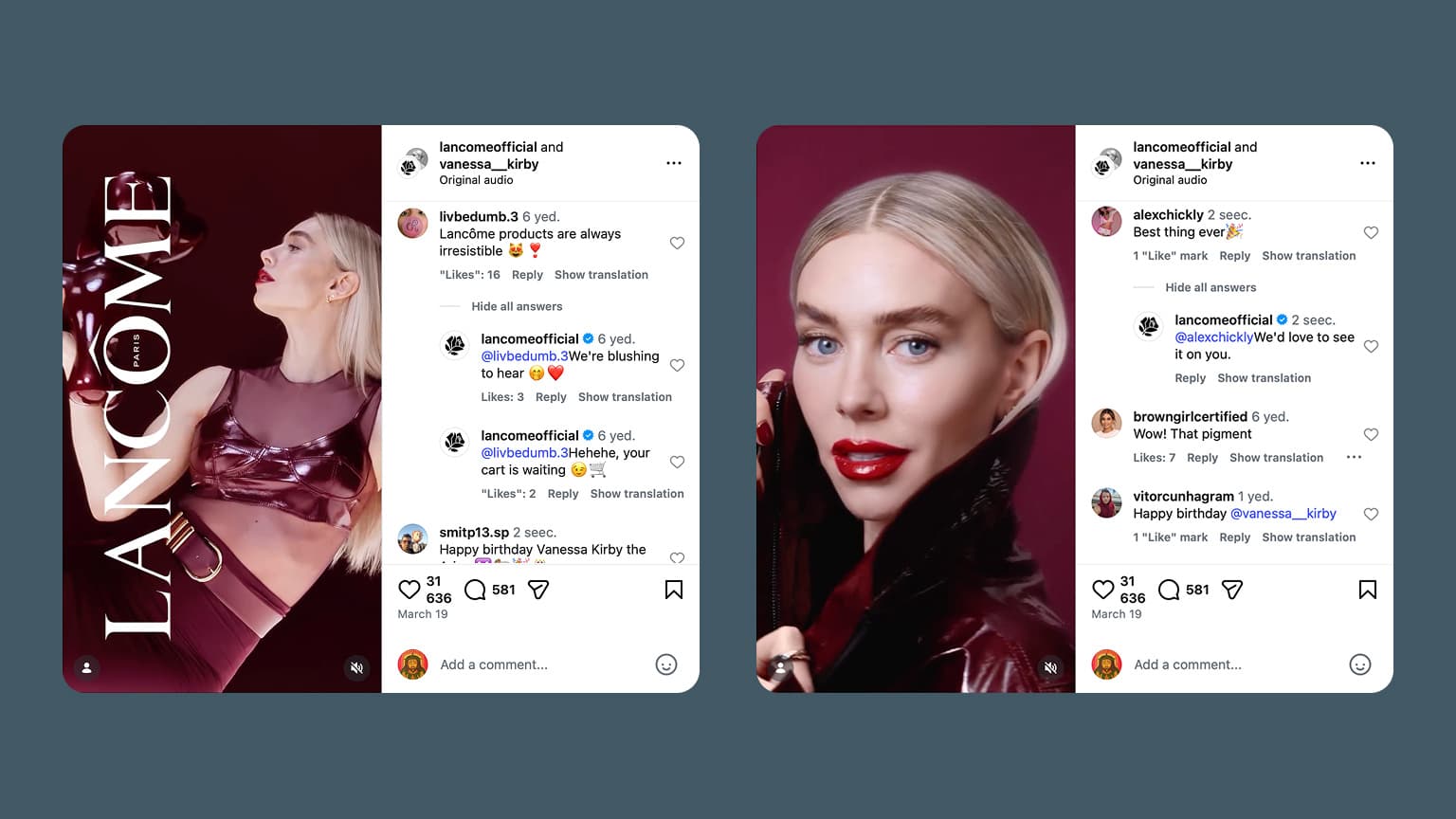
Take @vanessa__kirby. The actress landed a long term deal with Lancome and became the face of the brand’s modern skincare storytelling. The creator has been turning out content on Reels that feels like having an honest chat. In return he got a nice big retainer plus a commission every time someone buys a jar and clicks through his affiliate link. That's ambassadors’ life in a nutshell.
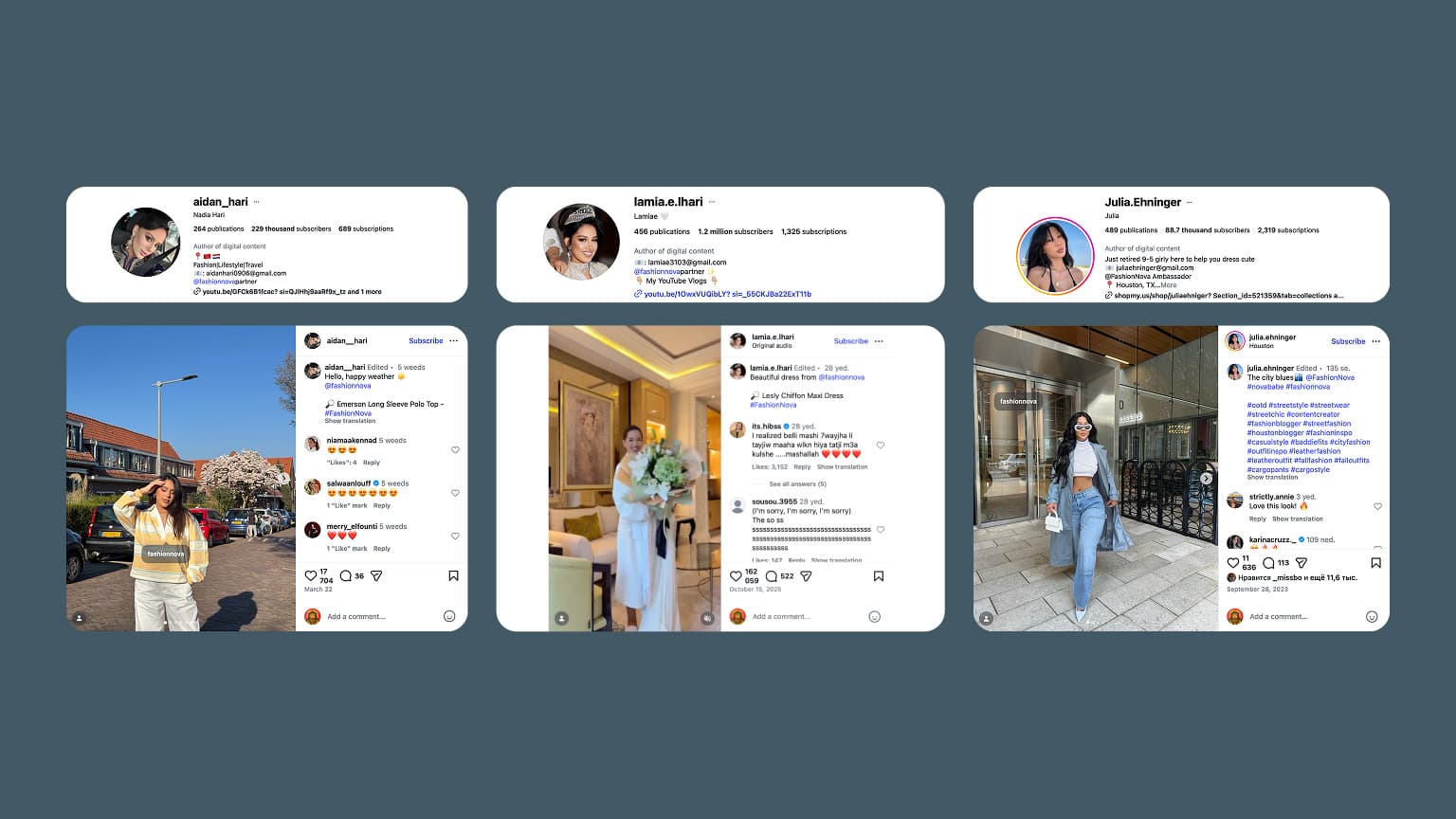
That's in contrast to the usual influencer gig like working with Fashion Nova on a one off collaboration. You pop up in a single post on your feed, get paid upfront and that's it. No promises of future work. Fast cash, but it's all over before you know it.
For those just starting out, each route has its downsides to consider. On the one hand, brand ambassadorships are pretty steady and reliable. They give you a chance to build up a portfolio, and get to know the brand inside out, which is great for scoring access to exclusive products first, or getting your hands on special early drops. Plus the demand isn't as fierce as it is for one-off influencer deals. Apparently, 40% of brand ambassador’s deals go to smaller micro-creators. However, be warned, you're trading some of that creative freedom in for having to stick to a contract and post at certain times each month.
Meanwhile, influencer work is all about chasing those big bucks. Just send a quick message to the brand, get noticed and you might be looking at higher and higher payouts every time you post. But you can bet your bottom dollar you'll be working under pressure to keep that content going and going, and will be at the mercy of the ever-changing algorithm.
There are warning signs to avoid for both types of job seekers:
Exploitative "promotional" deals promising "future payments" instead of actual rewards.
Values misalignment when a brand's ethical principles conflict with yours. It quickly erodes trust.
Vague contracts without clear deliverables or termination clauses.
Anyway, you've got a choice. Go for stability and become a brand ambassador, or get your name out there fast with some influencer work.
7 Steps to Becoming a Brand Ambassador
Getting brand ambassadorships is all about having a clear roadmap.
Step 1. Define your personal brand and niche
Take a good look at what makes you stand out. Is it sustainable fashion, rapid fitness hacks or something else? Write up a clear brand statement that tells people what you're all about and make sure your Instagram profile, bio and posts all line up with that message. When you look like a consistent, genuine voice in your space, brands are more likely to take notice.
Step 2. Grow an engaged, loyal audience
Don't just focus on getting loads of followers. Try to aim for a rate of 3-5% via Reel engagement, Instagram Stories and by responding to comments. You can use Instagram Insights to see what kind of content your audience is actually interacting with and try to do more of that on a regular basis. A loyal following shows brands that you're worth working with because you've got influence.
Step 3. Research and shortlist compatible brands
You can't just target random brands and expect to get results. Work out which brands are actually a good match for your niche and start by 20-30 potentials. Review their Instagram for any brand ambassador tags, check out their website to see if they have a 'join our program' page and get a look at who their audience is.
Shortlisting Checklist:
Audience match: 70%+
Active programs: Recent ambassadors posts or affiliate links.
Alignment: Shared values (e.g. eco-friendly)
Accessibility: Smaller brands (<1m followers) for easier entry.
This is your brand ambassador’s CV that shows your value and makes brand managers take notice. You can use free Canva templates to knock one up. Host it on Google Drive or Linktree, linking to your Instagram bio for instant access while pitching.
Include the following sections in this order:
Hero section: A great headshot, your tagline (e.g. "Fitness Creator | 4.5% ER | 20K Fans") and a snappy one-liner summarising your niche.
Audience stats: Engagement rate, follower demographics (pie charts: 65% female, 18-34) and reach/impressions from Insights.
Content portfolio: 4-6 of your best Reels or carousels with some numbers (e.g. "50K views, 2K saves").
Rates & services: Clear pricing (e.g. $150/Reel, $300 for a Story series) and package options.
Step 5. Craft a pitch email that gets opened
Your email is the first thing brands see and it makes a huge difference if you nail the subject line. Try for 30-50% open rates, then get straight to the point and deliver some value. Do some research to find the right contact (usually a marketing manager via LinkedIn or their website) and personalise the email with the name or company details. Keep it under 150 words, no one likes a long email. Hook, align, propose, attach your kit and call-to-action. Test it via Gmail previews and track how well it's doing with tools like Mailtrack.
Step 6. Apply to programs and manage your pipeline
It's a good idea to get yourself on specialist platforms like Kepio, which are online influencer directories. This significantly increases chances of finding collaborations with brands as companies use such services to speed up their talent acquisition strategy. Just create your profile and unlock new collaborations and brand ambassador partnerships.
Step 7. Negotiate rates and review your contract
A brand’s interest is your cue to get in there and negotiate a deal that really reflects your value. Start by upping their offer by 20-30% and arm yourself with some proof like a 4.5% engagement rate or 50K-reach case studies. Propose some bundles like extra Stories, usage reports or product perks to add value without slashing your fees. This positions you like a pro brand ambassador, not just some guy trying to flog his wares.
When you get the contract, review it closely for payment terms (e.g. net-30 via PayPal), clear deliverables and deadlines, usage rights (e.g. 6 months on Instagram), exclusivity clauses and a kill fee if they back out.
Online or In-Person? How to Choose Your Ambassador Path
Online ambassadors are those who live and breathe the world of digital platforms like Instagram, where they can leverage Reels, Stories and posts to reach a massive audience. Then there's the in-person crowd which shines brightest at events, pop-ups and demos, where hands on and real life experiences can come into play.
Aspect | Online Path | In-Person Path |
Reach | Global, 24/7 via social media | Local, event-specific |
Cost | Low (content creation tools) | Higher (travel, events) |
Engagement | High shares/likes, trackable metrics | Personal interactions, harder to scale |
Best For | Digital marketers targeting via Instagram | Luxury/physical product brands needing demos |
Go online if you've got a digital-first audience for growing your Instagram presence. On the other hand, roll with in-person if you know your tribe is all about trust and face-to-face interactions which works great for niche markets.
Your First 30 Days as a Brand Ambassador
Your first month as a brand ambassador is basically a make or break situation. Treat it like a proving ground where you not only show how creatively brilliant you are, but also how reliable, professional and just plain eager you are to jump in head first.
How to Impress Your Brand Partner From Day One
Organise your first few weeks into four stages to appear professional, proactive and altogether results-driven.
1. Quickly clarify expectations
Review the brand brief, product, and style before you start creating content.
Ask targeted questions to confirm:
Definite deliverables (posts, videos, stories, etc.)
Publishing timing and schedule
KPIs (reach, engagement, clicks, conversions, tags, hashtag use)
2. Create content that's on-brand.
Create your initial content strictly following brand guidelines (required hashtags, calls to action, rules/guidelines).
Maintain your own style and tone to ensure the content remains authentic to your audience.
If allowed, send early drafts or rough versions for feedback to avoid major changes later.
3. Engage with your audience and track performance.
Publish content and choose publishing times when your audience is most active. Respond to comments and direct messages to show that you care about your brand online reputation and community.
Track views, saves, shares, engagement rate, and any clicks or conversions.
4. Provide a performance overview
At the end of the first campaign or after 30 days, send a brief report: Key metrics (reach, engagement, clicks, etc.), 1-2 quick wins (the most effective format or moment), 2-3 specific ideas for the next stage (new approaches, series, or content formats).
How to Go From One Deal to an Ongoing Partnership
Turn a one-time collab into a long-term partnership by showing clear value and making it easy for the employer brand to keep you on. Track and share simple results (reach, engagement, clicks, or conversions), so they can see the impact.
After the campaign, send a short recap of what worked and what you’d improve, then propose a natural next step, like a mini series or a few more posts. Suggest a small, repeatable content plan that fits their calendar so you feel like a low‑risk, reliable partner.
Stay professional, hit deadlines, follow guidelines, and communicate clearly. When performance is strong, gently ask if they’d consider making it an ongoing arrangement. That mix of results, consistency, and initiative is usually what turns a single deal into a long‑term brand ambassador partnership.
To Crown It All
The decision of how to be a brand ambassador isn’t about piling up followers or getting caught up in a social media storm. It is all about building connections with your audience and showing that you can actually add value. Work out what you are passionate about, build up engagement and then pitch brands as a professional to open the door to long-term partnerships that feel like a real career. Start taking this seriously today by treating your content like a proper business, not just a fun thing to do on the side. A bit of effort can turn your interest in sharing products into some steady brand ambassador experience.
FAQ
When Should You Stop Accepting Gifted Deals and Start Charging?
The moment you can show consistent results: engagement that’s 3-5% and up, clear metrics (likes, saves, tags, or conversions) and a few posts that genuinely line up with a brand's goals, you should start charging. If brands keep sending you products for free but won’t commit to paying you after 3-5 collaborations, it's a pretty clear sign that you're undervaluing your brand ambassador impact. So, it is time to switch to paid partnerships as your new brand ambassador strategy.
How Do You Raise Your Rates Without Losing the Brand?
Frame your rate increase in terms of your own growth and achievements: higher engagement rates, more people saving or sharing your content, measurable increases in traffic or conversions from your posts. Raise your fee by 20-30% and then sweeten the deal by offering extra value like additional Stories, usage rights , etc. That way the brand feels they're getting more, not less, for their money. Communicate professionally, early, and in writing, so the increase feels like a natural step in your partnership, not a surprise.
Is It Okay to Work With Multiple Competing Brands At The Same Time?
It depends on the contract and what the brand has agreed to. Some brands will only work with you if you agree to be exclusive or won’t touch any competing brands at all. Especially if the market is super crowded like beauty, fitness, or fashion. If you want to work with multiple brands as a brand ambassador that are rivals, then try and space them out over time, target some sub-niches that are clearly different or maybe even ask permission to work with the other brand. If you are in doubt, always go for brand loyalty over cash. Working with conflicting brands can seriously damage your brand ambassador credibility and relationships.
How Long Does It Usually Take to Land Your First Paid Deal?
For most creators it is going to take anywhere from a couple of months to six months of consistent effort after you start making pitches and putting together a media kit. If you are lucky and already have an audience involved that really loves your niche, strong engagement and a solid portfolio, you might actually get your first brand ambassador opportunities within a few weeks. The most important thing is to keep refining your pitches, tracking your responses, and following up with brands because many deals are won by being the most proactive creator in the inbox.