
How much do influencers make per post: real numbers by platform & tier
Wondering what influencers really charge? Discover real rates by platform, creator tier, and what drives the final price.

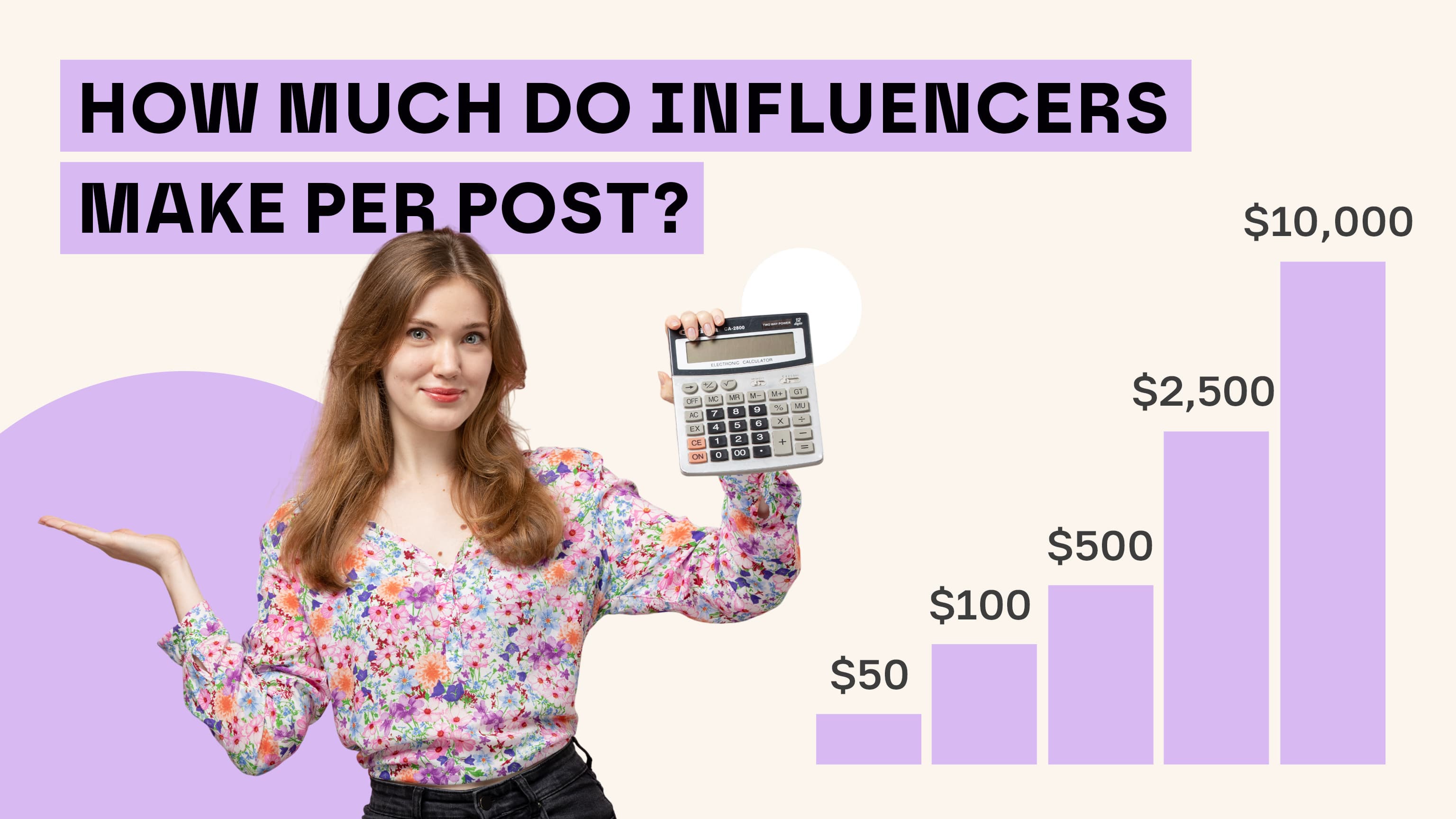
If you have ever tried budgeting an influencer campaign, you have probably entered into Google the phrase how much do influencers make per post only to receive a few links to five articles giving you five different answers to the same question. And it’s no coincidence. The price of working with influencers is not a constant value. It is a negotiated one depending on many factors such as followers’ quantity, platform, niche, amount of creative work required from the brand etc. And while one sponsored post may be priced at $25, and another one may cost more than $50,000, there is nothing unusual about it.
In this article, we will try to explain how much do influencers charge per post in 2026 depending on both audience category and social media platform. In addition, we will analyze those factors which make the quote go up or down and discuss what you should do when creating an influencer marketing budget before making the first outreach attempt.
Influencer rates by audience size: nano, micro, macro & celebrity
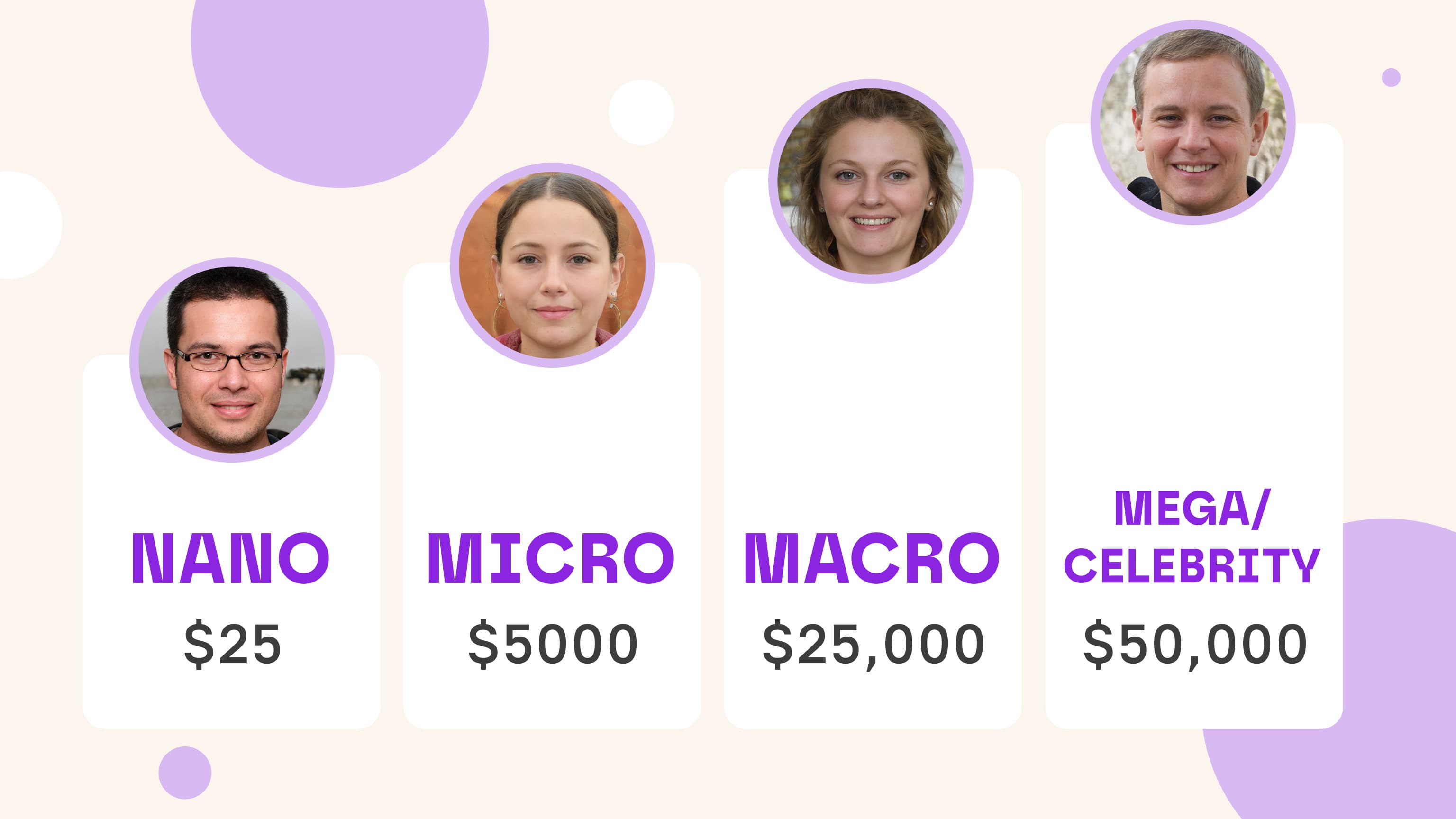
The number of followers will still be the first metric that the vast majority of brands will check because it is the fastest way to place an influencer into a general price range. However, these figures must be considered just as starting points and not as absolute influencer marketing rates. Two social media influencers with 40,000 followers could charge totally different prices for their posts, and both figures would fit the specific project perfectly. According to Influee, the rates depend on the tier and are as follows:
Tier | Followers | Typical Rate Per Post |
Nano | 1K-10K | $25-$300 |
Micro | 10K-100K | $100-$2,500 |
Macro | 100K-1M | $2,500-$25,000 |
Mega/Celebrity | 1M+ | $10,000-$50,000+ |
Apply this table to determine the approximate cost of influencer services first, and then go through the descriptions of each tier below, these influencers do not charge similar prices.
Nano (1K-10K)
Nano influencers mark the gateway of the creator economy, and they are having their moment. More and more brands make a choice in favor of nano influencers since their followers constitute an actual community, not just a broadcasting platform, as engagement rates for this level are often in the range of 5% to 8%.
Payment for a nano influencer usually falls in the range of $25-$300 for one post. Some will work for free products instead of money, especially during the initial phase when they are building their portfolio. If you have a small budget but still crave authentic content, this is where the best cost per engagement rate can be found.
Micro (10K-100K)
Most influencer marketing campaigns use micro-influencers as their foundation, and here's why: micro-influencers are able to balance the two factors that are important for influencer marketing campaigns - influence and engagement metrics, both on Instagram or other platforms where they operate. Micro-influencer prices may start from roughly $100 for a regular post and go up to $2,500 for a high-performing micro-influencer operating in a premium niche like finance or beauty.
Negotiation plays its largest role at this stage as well since a micro-influencer with 30,000 followers who shows 6% engagement may be more valuable to your brand than an influencer with 80,000 followers who makes only 1% engagement.
Macro (100K-1M)
For macro influencers, the agency fees are much closer to those of agencies, ranging from $2,500 to $25,000 per post. With their popularity, these types of social media personalities typically have agents or talent representatives who negotiate on their behalf, thus increasing the base rate of posts and making them less flexible regarding timing and content creation.
Macro creators are the choice for quick reach of your brand in any market situation: whether it's a product launch, a seasonal campaign, or an effort to raise brand awareness in an entirely new market environment.
Mega / celebrity (1M+)
Mega influencers and celebrities form the uppermost rung of the price ladder, where the price tag begins at $10,000 and goes past $50,000 to over six figures on average, depending on their status and popularity. The contract is unlikely to consist of a one-time expense; expect multiple deliverables, licensing fees, and a campaign length.
Influencers in this segment bring value as cultural icons rather than merely influencers, which means that the agreement resembles more a media buy than an ordinary influencer posting. Very few influencers manage to get into this league, but these are the influencers who get the most press coverage regarding influencer compensation.
Influencer rates by platform: what creators charge on each channel
Follower count sets the bracket, but the social media platform decides a lot of the final number. Video-heavy formats generally cost more to produce, which shows up directly in the price influencers quote. Here's how Instagram influencer rates and pricing on other major channels typically compare.
Platform | Nano | Micro | Macro/Mega |
$25-$300 | $250-$5,000 | $5,000-$50,000+ | |
TikTok | $25-$150 | $200-$2,500 | $5,000-$25,000+ |
YouTube | $200-$1,000 | $1,000-$10,000 | $10,000-$80,000+ |
$25-$250 | $250-$1,250 | $2,500-$25,000+ | |
X (Twitter) | $2-$100 | $100-$500 | $1,000-$5,000+ |
Snapchat | $500 (per 5K views) | $1,000-$3,000 | $5,000-$10,000+ |
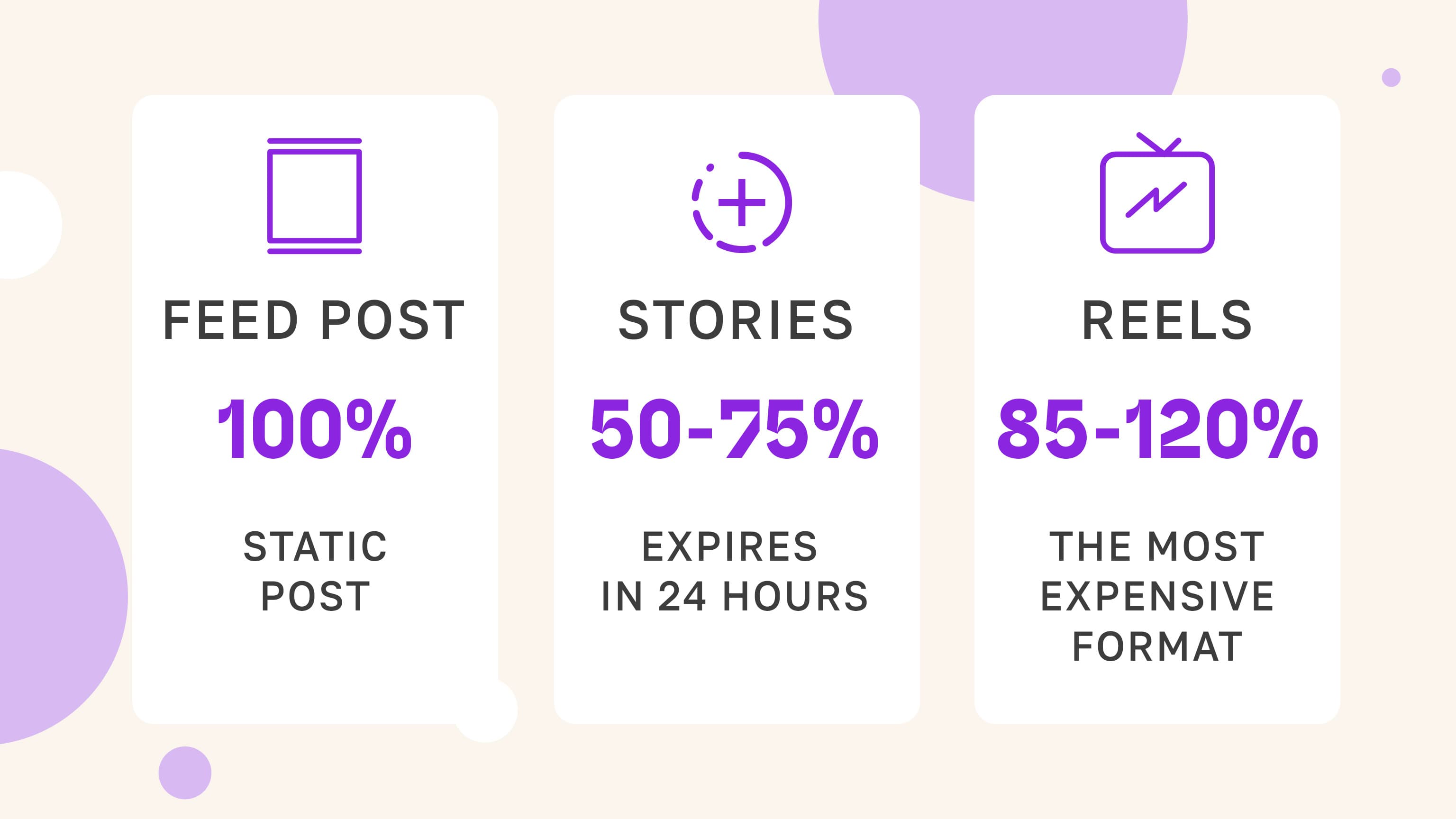
As far as the pricing of sponsored posts are concerned, Instagram also stands as the most popular platform, along with having one of the most consistent prices as well. A basic benchmark that can be taken as a point of reference is around $100 per 10,000 followers, which then varies based on engagement, niche and format. Static feed posts remain the cheapest option, Stories are priced in the range of 50-75% of the feed post rate due to being gone in 24 hours, while Reels are highly priced and fetch 85-120% of the static post's price.
Nano influencers on Instagram tend to charge between $25-$300 per post, micro-influencers can be anywhere between $250-$5,000 and macros/megas can even go above $5,000.
TikTok
This app has become the primary tool of choice for brands seeking discovery and engagement, and influencers on TikTok generally charge about 30-40% less than those on Instagram for an audience of similar size. Having said this, influencers on TikTok who enjoy a viral level of fame will still be able to make five-figure prices for one post.
Due to the fact that the content on TikTok tends to change quickly because of its nature, the prices for influencers vary more on this platform. The price that the influencer makes now may not be relevant three months later.
YouTube
The high cost per post on YouTube is unsurprising, as video posts require the most effort with the process of writing, shooting, editing, and making thumbnails, with significantly increased shelf life compared to Stories or Tweets. Nano YouTube influencers typically charge $200 to $1,000 per video post, while mid-level and macro influencers can go from $9,000 to $50,000, and top-tier YouTubers earn well over $50,000 to $80,000 per dedicated post.
Costs on YouTube can also be measured by price per 1,000 views (CPV), usually between $20 and $50.
Although the influencer marketing space on Facebook is no longer as hot as it once was, the prices on the platform remain relatively decent. Nano-influencers usually cost anywhere between $25 and $250, whereas micro-influencers may cost up to $1,250 for one post. On the other hand, mega Facebook influencers may charge over $25,000 although not as many major influencer partnerships exist on the platform as on Instagram or TikTok.
X (Twitter)
X falls on the lower end of the spectrum when it comes to the influencer marketing cost. The average is about $2 for every 1,000 followers per post, which means that nano-influencers will earn between $2-$100, while more popular accounts will have the ability to earn into the thousands per post or thread. Not as many brands use X exclusively for their influencer marketing campaign.
Snapchat
The influencer pricing model is different here because the number of followers cannot be known publicly. In this case, influencers will normally get their pay depending on the number of views they generate in 24 hours. A general pricing model that can be considered is one that starts at about $500 for 5,000 views and moves upward, where influencers who generate 20,000 plus views in a Story charge between $3,000 to $10,000 or more.
Beyond follower count: what actually drives influencer pricing
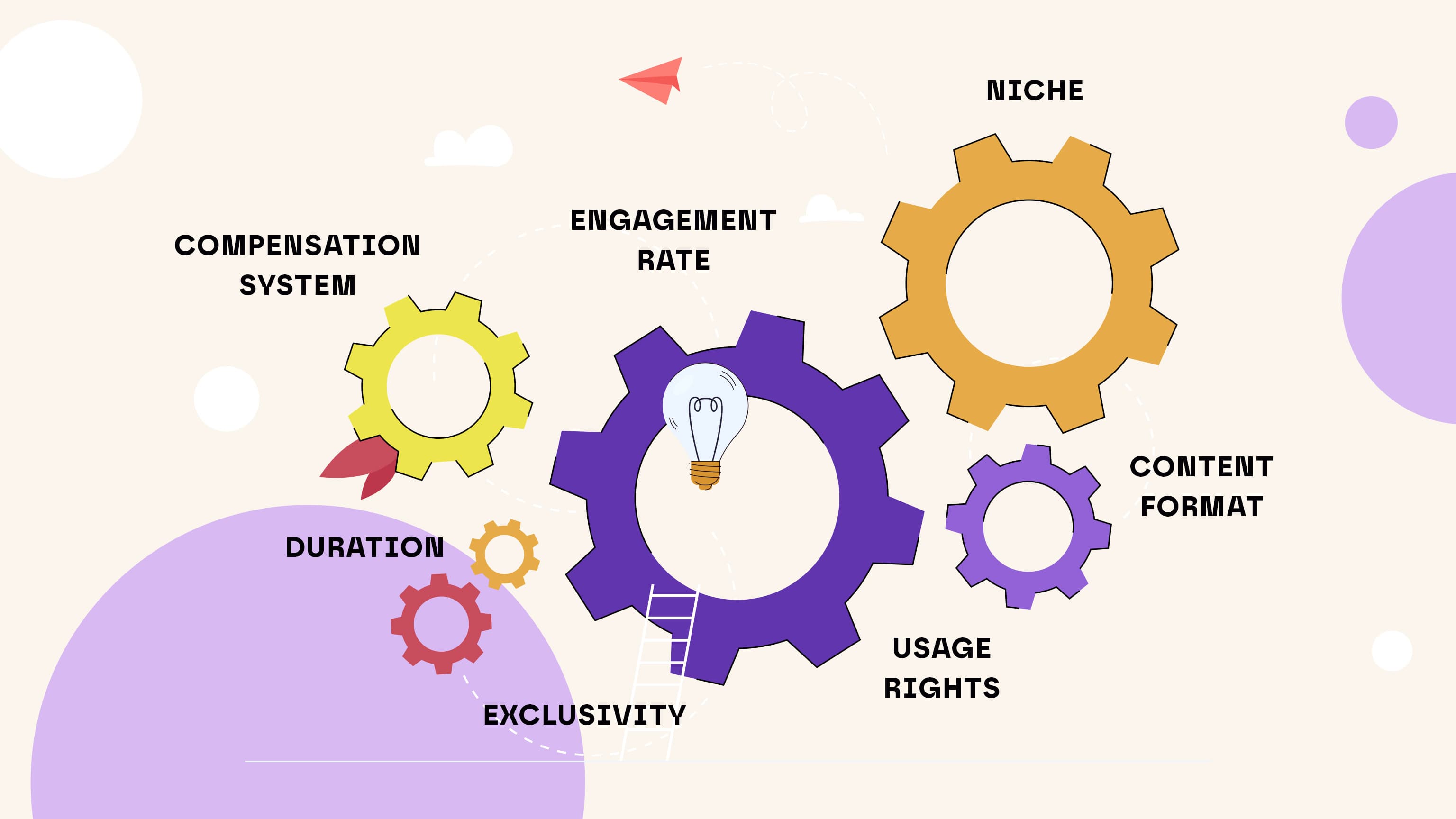
Two influencers with the same number of followers can ask for vastly different prices, mostly because the number of followers is just a starting point for determining the influencer’s value. Influencer marketing pricing is, in fact, a combination of various small calculations, which are the following:
Engagement rate. Sometimes it pays off better to work with a smaller, but engaged community rather than a larger one that shows low activity levels. And this factor justifies the premium price.
Niche. Influencers in finance, health, technology, B2B topics usually charge an additional 15-40% compared to influencers whose content is more general and lifestyle-related.
Format of the content. One photo post costs less to create than one Reel, TikTok video or even a collaboration on YouTube. The video content usually charges extra fees.
Rights of usage. If there is a need to use the sponsored content for paid advertising or on your social media channel, it will be an additional charge in addition to the base fee.
Exclusivity. The request for the influencer not to work with other brands for a certain period will increase the price, since they will sacrifice their other sources of income.
The deliverables and duration of the campaign. Packages with multiple deliveries and long campaigns decrease the price of individual services and requests.
Compensation system. Whether it will be flat fee, product gifted to the influencer, affiliate marketing, or some hybrid system with base fee plus incentives.
Pricing the sponsored post on a flat fee is the easiest solution, but increasingly performance-based models and affiliate marketing models are winning due to direct linking of influencer cost with results.
How to set a realistic influencer budget
Rather than centering on one figure alone, base your influencer campaign budget on three considerations: what level is best suited for your objective, the platform used by your target, and additional deliverables other than the post. The list of influencers should be chosen based on their suitability to your audience and budget rather than their popularity and cost alone. To make informed decisions and understand which metrics matter at each stage of your campaign, learn how to measure influencer success in our guide.
Once you understand what success looks like, follow these steps to build a realistic influencer budget:
State your objective. Awareness campaigns may rely on macro or mega influencer reach while brand partnerships aiming at conversions will benefit more from micro and nano influencers that have a closer and more loyal audience.
Estimate a price range, rather than setting a fixed price for each post. Start by referencing the pricing tables provided above, then make adjustments depending on niche and format.
Dedicate a separate budget if you're going to require any usage rights or exclusivity as they're not often included in the basic quote.
Keep room for negotiations. Rate cards serve only as a starting point and most of the time the negotiation process is expected.
When comparing various quotes, pay attention to cost-per-engagement, not just cost-per-post.
After estimating your budget, the real work is getting a fair deal on both sides. If you want a full framework for that conversation, our guide on how to negotiate rates with influencers walks through what to ask for, what to offer in return, and where brands typically leave money on the table.
The bottom line on influencer pricing
No simple answer exists about how much influencers get paid for each sponsored post. "It depends", but now you understand what exactly it depends on. Influencer tier defines the range, platform moves it up or down, and engagement, niche and deliverables make the final quotation. Nano-influencers could ask for $25 for a Story, and celebrity influencers could charge $50,000 for one single Reel. In both cases, it's a fair price.
The brands that get the best deal from the bargain are not those that seek maximum followers, but those that find the right tier and platform for the right goal and negotiate from solid grounds.
FAQ
Where do brands find reliable influencers to partner with?
Using hashtags and searches to find potential influencers is effective, but it is time-consuming and difficult to be sure whether those influencers are delivering. With an influencer discovery tool, like Keppio’s influencer marketing platform, you will be able to filter your influencers according to the niche, the platform, number of followers, and engagement rate.
What should I prepare before reaching out to an influencer?
Have your brief ready: your objective of the campaign, what will be delivered (number of Instagram posts, stories, or videos), time frame, do you require exclusive or usage rights, and what is your budget? The influencers will get back to you immediately and give you an accurate quote.
How do I figure out how much to spend on an influencer campaign?
The first thing is not to look at the total amount of money, but rather start with your objective and target market. The next step would be to choose the tier and the social media platform which your audience frequents, then determine cost per post using the ranges above and multiply by the number of influencers and their posts that you need for the campaign. Add up 10-20% more for usage rights or revising posts.